


- Afhalen na 1 uur in een winkel met voorraad
- Gratis thuislevering in België vanaf € 30
- Ruim aanbod met 7 miljoen producten
- Afhalen na 1 uur in een winkel met voorraad
- Gratis thuislevering in België vanaf € 30
- Ruim aanbod met 7 miljoen producten





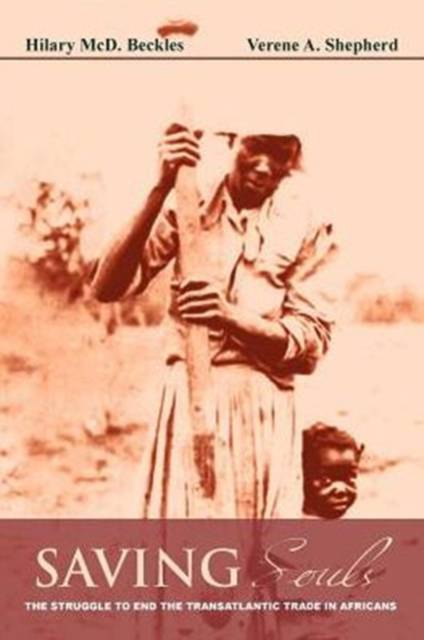
Saving Souls
The Struggle to End the Transatlantic Trade in Africans
Hilary Beckles, Verene A Shepherd
Paperback | Engels
€ 25,95
+ 51 punten
Omschrijving
The process of terminating the European Transatlantic Trade in Africans (TTA) was long and drawn-out. Although Africans, including the enslaved had long resisted its operation, abolition has traditionally been presented as a benevolent act by the British state acting under pressure from the intellectual classes and humanitarian activists. But the campaign to end the TTA cannot be separated from the resistance struggle of the Africans themselves.In Saving Souls: The Struggle to end the Transatlantic Trade in Africans, the companion volume to Trading Souls, noted Caribbean historians Hilary Beckles and Verene Shepherd trace the African experience from capture, the horrors of the Middle Passage to liberation. Their story emphasises the contributions of the victims of the enslaved even while acknowledging the critical role of the British abolitionists. Readers will learn about: The structure and conduct of the trade in African peopleDetails of the resistance of Africans to capture, sale and transportationThe abolition movement - involving black and white, enslaved and free, male and female, Christian and non-Christian activistsLegacies of the 1807 ActThe final Abolition Acts, namely the 1805-1806 Order-in-Council and the 1807 Act are included as appendices for easy reference.
Specificaties
Betrokkenen
- Auteur(s):
- Uitgeverij:
Inhoud
- Aantal bladzijden:
- 168
- Taal:
- Engels
Eigenschappen
- Productcode (EAN):
- 9789766373078
- Verschijningsdatum:
- 5/09/2000
- Uitvoering:
- Paperback
- Formaat:
- Trade paperback (VS)
- Afmetingen:
- 152 mm x 229 mm
- Gewicht:
- 254 g



Alleen bij Standaard Boekhandel
+ 51 punten op je klantenkaart van Standaard Boekhandel
Cadeau

AANGERADEN


Beoordelingen
We publiceren alleen reviews die voldoen aan de voorwaarden voor reviews. Bekijk onze voorwaarden voor reviews.