Standaard Boekhandel gebruikt cookies en gelijkaardige technologieën om de website goed te laten werken en je een betere surfervaring te bezorgen.
Hieronder kan je kiezen welke cookies je wilt inschakelen:
Technische en functionele cookies
Deze cookies zijn essentieel om de website goed te laten functioneren, en laten je toe om bijvoorbeeld in te loggen. Je kan deze cookies niet uitschakelen.
Analytische cookies
Deze cookies verzamelen anonieme informatie over het gebruik van onze website. Op die manier kunnen we de website beter afstemmen op de behoeften van de gebruikers.
Marketingcookies
Deze cookies delen je gedrag op onze website met externe partijen, zodat je op externe platformen relevantere advertenties van Standaard Boekhandel te zien krijgt.
Bedankt voor het vertrouwen het afgelopen jaar! Om jou te bedanken bieden we GRATIS verzending (in België) aan op alles gedurende de hele maand januari.
Afhalen na 1 uur in een winkel met voorraad
In januari gratis thuislevering in België
Ruim aanbod met 7 miljoen producten
Bedankt voor het vertrouwen het afgelopen jaar! Om jou te bedanken bieden we GRATIS verzending (in België) aan op alles gedurende de hele maand januari.
Je kan maximaal 250 producten tegelijk aan je winkelmandje toevoegen. Verwijdere enkele producten uit je winkelmandje, of splits je bestelling op in meerdere bestellingen.
In januari gratis thuislevering in België (via bpost)
Gratis levering in je Standaard Boekhandel
Omschrijving
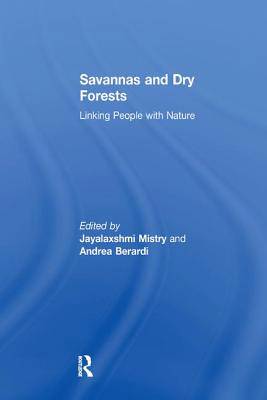
Parched landscapes, biodiversity loss, encroaching deserts and deforestation are some of the environmental crises taking place in tropical savannas and dry forests throughout the world. To date, much research into these regions has treated humans as 'outside' or as an 'impact' only. However, over and over again, examples show that, in fact, humans are not external factors, but integral components of these systems. Humans are key determinants of savannas and dry forests, affecting patterns and processes, as well as impacts on natural resources. Unless we understand the human-environment relationship in these regions, we will never truly identify the causes or be able to provide solutions. This book therefore focuses on the roles of the past, present and future human perceptions and actions on savannas and dry forests. It examines how the views of local farmers, NGO workers, government officials and international scientists differ on the links between the social and ecological components of savannas. It deals with these multiple perspectives by using systems diagramming and conceptual modelling to provide a clearer and more explicit understanding and to promote better communication between the various actors concerned.