


- Afhalen na 1 uur in een winkel met voorraad
- Gratis thuislevering in België vanaf € 30
- Ruim aanbod met 7 miljoen producten
- Afhalen na 1 uur in een winkel met voorraad
- Gratis thuislevering in België vanaf € 30
- Ruim aanbod met 7 miljoen producten





€ 0,49
Omschrijving
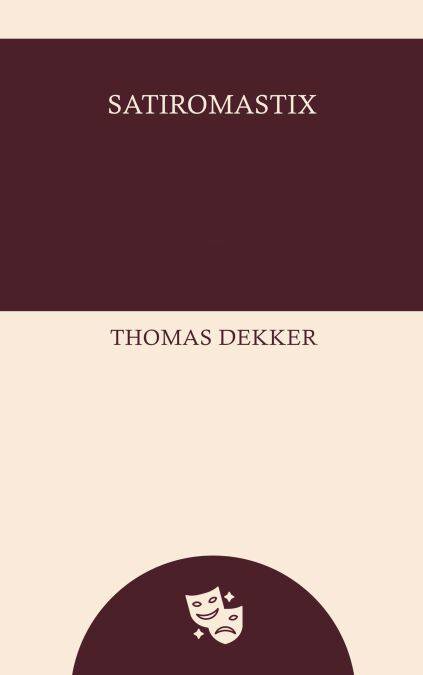
Satiromastix by Thomas Dekker is a sharp and spirited Elizabethan satire that boldly engages in the famous "Poetomachia," or War of the Theatres. Written as a dramatic response to rival playwrights, the play combines comedy, satire, and social commentary to critique artistic pride, literary rivalry, and courtly pretension in early modern London.
At the center of the work is a satirical portrayal of a self-important poet figure, whose inflated sense of artistic superiority becomes the target of Dekker's wit and theatrical humor. Through exaggerated characterization and playful dialogue, Dekker exposes the vanity and competitiveness that can exist within literary and courtly circles.
The narrative unfolds through a series of comic encounters, witty exchanges, and ironic reversals, where reputation and ego are constantly challenged. Alongside its satirical focus on poets and playwrights, the play also presents a broader critique of social ambition and the performance of identity in a culture deeply concerned with status and recognition.
Dekker's writing is lively, accessible, and sharply humorous, blending realism with theatrical exaggeration to create a work that is both entertaining and pointed in its criticism. The play reflects the vibrant and often contentious world of Elizabethan theatre, where artistic rivalry could become material for dramatic expression.
Satiromastix remains an important example of early modern literary satire, offering insight into the dynamics of theatrical competition and the cultural environment of its time. Its enduring appeal lies in its energetic humor, clever dialogue, and fearless engagement with questions of artistic pride and public reputation.
At the center of the work is a satirical portrayal of a self-important poet figure, whose inflated sense of artistic superiority becomes the target of Dekker's wit and theatrical humor. Through exaggerated characterization and playful dialogue, Dekker exposes the vanity and competitiveness that can exist within literary and courtly circles.
The narrative unfolds through a series of comic encounters, witty exchanges, and ironic reversals, where reputation and ego are constantly challenged. Alongside its satirical focus on poets and playwrights, the play also presents a broader critique of social ambition and the performance of identity in a culture deeply concerned with status and recognition.
Dekker's writing is lively, accessible, and sharply humorous, blending realism with theatrical exaggeration to create a work that is both entertaining and pointed in its criticism. The play reflects the vibrant and often contentious world of Elizabethan theatre, where artistic rivalry could become material for dramatic expression.
Satiromastix remains an important example of early modern literary satire, offering insight into the dynamics of theatrical competition and the cultural environment of its time. Its enduring appeal lies in its energetic humor, clever dialogue, and fearless engagement with questions of artistic pride and public reputation.
Specificaties
Betrokkenen
- Auteur(s):
- Uitgeverij:
Inhoud
- Aantal bladzijden:
- 84
- Taal:
- Engels
Eigenschappen
- Productcode (EAN):
- 9782355530746
- Verschijningsdatum:
- 5/05/2026
- Uitvoering:
- E-book
- Beveiligd met:
- Digital watermarking
- Formaat:
- ePub



Alleen bij Standaard Boekhandel
Cadeau

AANGERADEN


Beoordelingen
We publiceren alleen reviews die voldoen aan de voorwaarden voor reviews. Bekijk onze voorwaarden voor reviews.