


- Afhalen na 1 uur in een winkel met voorraad
- Gratis thuislevering in België vanaf € 30
- Ruim aanbod met 7 miljoen producten
- Afhalen na 1 uur in een winkel met voorraad
- Gratis thuislevering in België vanaf € 30
- Ruim aanbod met 7 miljoen producten





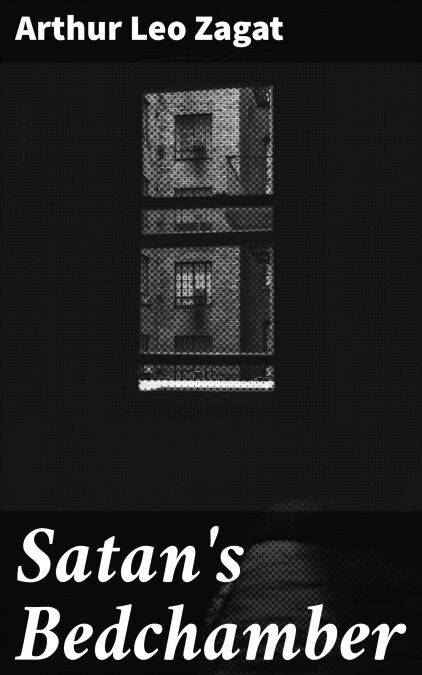
Satan's Bedchamber E-BOOK
A Dark Victorian Tale of Temptation and Treachery
Arthur Leo Zagat
E-book | Engels
€ 0,49
Uitvoering
Omschrijving
In "Satan's Bedchamber," Arthur Leo Zagat weaves a gripping narrative that tantalizes the reader with its exploration of supernatural themes intertwined with psychological depth. Set against the backdrop of early 20th-century America, the novel immerses readers in a world replete with dark desires, existential dread, and moral complexity. Zagat's prose oscillates between evocative descriptions and biting dialogue, enhancing the sense of unease and suspense that permeates the storyline, reflective of the era's fascination with the occult. The novel serves as a parody and critique of societal norms, deftly balancing elements of horror and philosophy. Arthur Leo Zagat, a prolific writer often associated with the pulps and the emerging genre of science fiction, drew from his diverse experiences and keen observations of human nature. His wanderings through various literary forms and his engagement with the cultural tensions of his time informed his exploration of the macabre in "Satan's Bedchamber." Zagat'Äôs background as a journalist and a playwright further honed his ability to craft compelling narratives that draw upon the darker aspects of the human psyche. This novel is a must-read for fans of gothic horror and psychological thrillers. Zagat's astute commentary on the fragility of human morality and the allure of the unknown beckons a thoughtful examination of ethics and desire, making it an engaging work for both casual readers and literary scholars alike.
Specificaties
Betrokkenen
- Auteur(s):
- Uitgeverij:
Inhoud
- Aantal bladzijden:
- 31
- Taal:
- Engels
Eigenschappen
- Productcode (EAN):
- 4066338100856
- Verschijningsdatum:
- 8/11/2021
- Uitvoering:
- E-book
- Beveiligd met:
- Digital watermarking
- Formaat:
- ePub



Alleen bij Standaard Boekhandel
Cadeau

AANGERADEN


Beoordelingen
We publiceren alleen reviews die voldoen aan de voorwaarden voor reviews. Bekijk onze voorwaarden voor reviews.