



Bedankt voor het vertrouwen het afgelopen jaar! Om jou te bedanken bieden we GRATIS verzending (in België) aan op alles gedurende de hele maand januari.
- Afhalen na 1 uur in een winkel met voorraad
- In januari gratis thuislevering in België
- Ruim aanbod met 7 miljoen producten
Bedankt voor het vertrouwen het afgelopen jaar! Om jou te bedanken bieden we GRATIS verzending (in België) aan op alles gedurende de hele maand januari.
- Afhalen na 1 uur in een winkel met voorraad
- In januari gratis thuislevering in België
- Ruim aanbod met 7 miljoen producten





Omschrijving
An account of the life and work of the architect Minoru Yamasaki that leads the author to consider how (and for whom) architectural history is written.
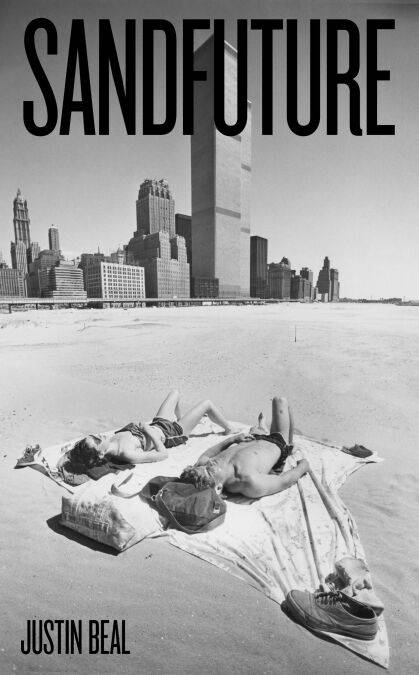
Sandfuture is a book about the life of the architect Minoru Yamasaki (1912–1986), who remains on the margins of history despite the enormous influence of his work on American architecture and society. That Yamasaki’s most famous projects—the Pruitt-Igoe apartments in St. Louis and the original World Trade Center in New York—were both destroyed on national television, thirty years apart, makes his relative obscurity all the more remarkable.
Sandfuture is also a book about an artist interrogating art and architecture’s role in culture as New York changes drastically after a decade bracketed by terrorism and natural disaster. From the central thread of Yamasaki’s life, Sandfuture spirals outward to include reflections on a wide range of subjects, from the figure of the architect in literature and film and transformations in the contemporary art market to the perils of sick buildings and the broader social and political implications of how, and for whom, cities are built. The result is at once sophisticated in its understanding of material culture and novelistic in its telling of a good story.
Sandfuture is a book about the life of the architect Minoru Yamasaki (1912–1986), who remains on the margins of history despite the enormous influence of his work on American architecture and society. That Yamasaki’s most famous projects—the Pruitt-Igoe apartments in St. Louis and the original World Trade Center in New York—were both destroyed on national television, thirty years apart, makes his relative obscurity all the more remarkable.
Sandfuture is also a book about an artist interrogating art and architecture’s role in culture as New York changes drastically after a decade bracketed by terrorism and natural disaster. From the central thread of Yamasaki’s life, Sandfuture spirals outward to include reflections on a wide range of subjects, from the figure of the architect in literature and film and transformations in the contemporary art market to the perils of sick buildings and the broader social and political implications of how, and for whom, cities are built. The result is at once sophisticated in its understanding of material culture and novelistic in its telling of a good story.
Specificaties
Betrokkenen
- Auteur(s):
- Uitgeverij:
Inhoud
- Aantal bladzijden:
- 272
- Taal:
- Engels
Eigenschappen
- Productcode (EAN):
- 9780262367189
- Verschijningsdatum:
- 13/09/2021
- Uitvoering:
- E-book
- Beveiligd met:
- Adobe DRM
- Formaat:
- ePub



Alleen bij Standaard Boekhandel
+ 24 punten op je klantenkaart van Standaard Boekhandel
SOLDEN


Beoordelingen
We publiceren alleen reviews die voldoen aan de voorwaarden voor reviews. Bekijk onze voorwaarden voor reviews.