


- Afhalen na 1 uur in een winkel met voorraad
- Gratis thuislevering in België vanaf € 30
- Ruim aanbod met 7 miljoen producten
- Afhalen na 1 uur in een winkel met voorraad
- Gratis thuislevering in België vanaf € 30
- Ruim aanbod met 7 miljoen producten





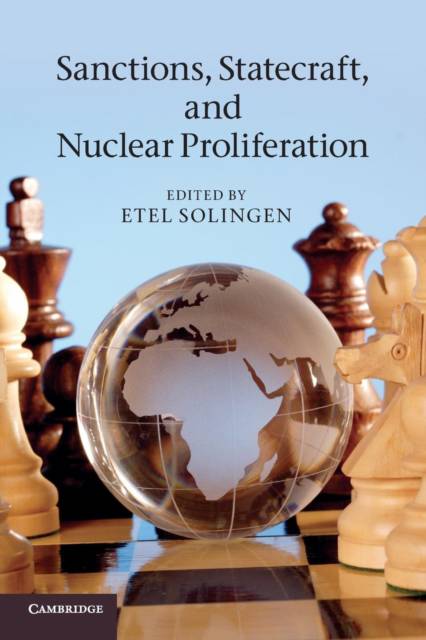
Sanctions, Statecraft, and Nuclear Proliferation
Sanctions, Inducements, and Collective Action. Edited by Etel Solingen
Etel Solingen
Paperback | Engels
€ 60,95
+ 121 punten
Omschrijving
Some states have violated international commitments not to develop nuclear weapons. Yet the effects of international sanctions or positive inducements on their internal politics remain highly contested. How have trade, aid, investments, diplomacy, financial measures and military threats affected different groups? How, when and why were those effects translated into compliance with non-proliferation rules? Have inducements been sufficiently biting, too harsh, too little, too late or just right for each case? How have different inducements influenced domestic cleavages? What were their unintended and unforeseen effects? Why are self-reliant autocracies more often the subject of sanctions? Leading scholars analyse the anatomy of inducements through novel conceptual perspectives, in-depth case studies, original quantitative data and newly translated documents. The volume distils ten key dilemmas of broad relevance to the study of statecraft, primarily from experiences with Iraq, Libya, Iran and North Korea, bound to spark debate among students and practitioners of international politics.
Specificaties
Betrokkenen
- Auteur(s):
- Uitgeverij:
Inhoud
- Aantal bladzijden:
- 402
- Taal:
- Engels
Eigenschappen
- Productcode (EAN):
- 9780521281188
- Verschijningsdatum:
- 29/03/2012
- Uitvoering:
- Paperback
- Formaat:
- Trade paperback (VS)
- Afmetingen:
- 152 mm x 226 mm
- Gewicht:
- 635 g



Alleen bij Standaard Boekhandel
+ 121 punten op je klantenkaart van Standaard Boekhandel
AANGERADEN


Beoordelingen
We publiceren alleen reviews die voldoen aan de voorwaarden voor reviews. Bekijk onze voorwaarden voor reviews.