


- Afhalen na 1 uur in een winkel met voorraad
- Gratis thuislevering in België vanaf € 30
- Ruim aanbod met 7 miljoen producten
- Afhalen na 1 uur in een winkel met voorraad
- Gratis thuislevering in België vanaf € 30
- Ruim aanbod met 7 miljoen producten





€ 191,95
+ 383 punten
Omschrijving
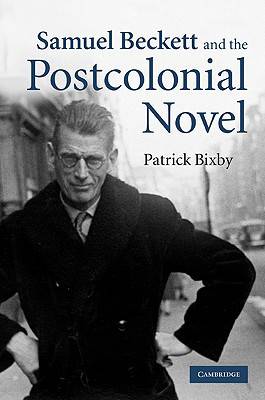
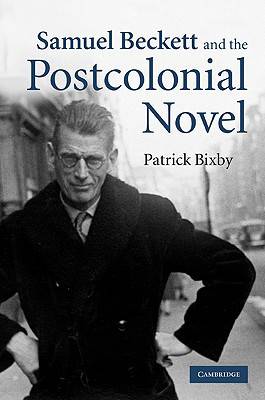
Samuel Beckett has long been seen as a distinctly 'apolitical' and 'ahistorical' writer, but this reputation fails to do him justice. Placing Beckett's novels in the context of the newly-liberated Irish Free State, Patrick Bixby explores for the first time their confrontation with the legacies of both Irish nationalism and British imperialism. In doing so, he reveals Beckett's fiction as a remarkable example of how postcolonial writing addresses the relationships between private consciousness and public life, as well as those between the novel form and a cultural environment including not only the literary tradition, but also political speeches, national monuments, and anthropological studies. With special attention to these relationships, the study demonstrates Beckett's challenge to familiar narratives of personal identity and communal belonging, which makes his writing integral to understanding the history of the novel and the fate of modernism, in addition to the emergence of postcolonial literature.
Specificaties
Betrokkenen
- Auteur(s):
- Uitgeverij:
Inhoud
- Aantal bladzijden:
- 246
- Taal:
- Engels
Eigenschappen
- Productcode (EAN):
- 9780521113885
- Verschijningsdatum:
- 5/11/2009
- Uitvoering:
- Hardcover
- Formaat:
- Ongenaaid / garenloos gebonden
- Afmetingen:
- 157 mm x 229 mm
- Gewicht:
- 521 g


Alleen bij Standaard Boekhandel
+ 383 punten op je klantenkaart van Standaard Boekhandel
Cadeau

AANGERADEN


Beoordelingen
We publiceren alleen reviews die voldoen aan de voorwaarden voor reviews. Bekijk onze voorwaarden voor reviews.