



- Afhalen na 1 uur in een winkel met voorraad
- In januari gratis thuislevering in België
- Ruim aanbod met 7 miljoen producten
- Afhalen na 1 uur in een winkel met voorraad
- In januari gratis thuislevering in België
- Ruim aanbod met 7 miljoen producten





Omschrijving
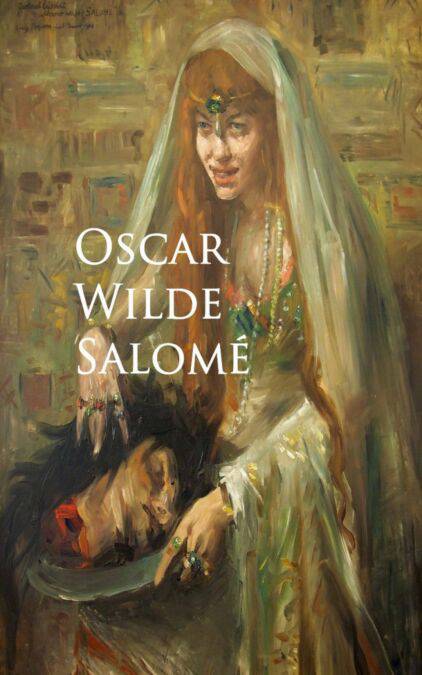
"SALOMÉ" has made the author's name a household word wherever the English language is not spoken. Few English plays have such a peculiar history. Written in French in 1892 it was in full rehearsal by Madame Bernhardt at the Palace Theatre when it was prohibited by the Censor. Oscar Wilde immediately announced his intention of changing his nationality, a characteristic jest, which was only taken seriously, oddly enough, in Ireland. The interference of the Censor has seldom been more popular or more heartily endorsed by English critics. On its publication in book form "Salomé" was greeted by a chorus of ridicule, and it may be noted in passing that at least two of the more violent reviews were from the pens of unsuccessful dramatists, while all those whose French never went beyond Ollendorff were glad to find in that venerable school classic an unsuspected asset in their education—a handy missile with which to pelt "Salomé" and its author. The correctness of the French was, of course, impugned, although the scrip had been passed by a distinguished French writer, to whom I have heard the whole work attributed. The Times, while depreciating the drama, gave its author credit for a tour de force, in being capable of writing a French play for Madame Bernhardt, and this drew from him the following letter:—
Specificaties
Betrokkenen
- Auteur(s):
- Uitgeverij:
Inhoud
- Aantal bladzijden:
- 500
- Taal:
- Engels
Eigenschappen
- Productcode (EAN):
- 9783736409774
- Verschijningsdatum:
- 19/08/2016
- Uitvoering:
- E-book
- Beveiligd met:
- Digital watermarking
- Formaat:
- ePub



Alleen bij Standaard Boekhandel
Cadeau

AANGERADEN


Beoordelingen
We publiceren alleen reviews die voldoen aan de voorwaarden voor reviews. Bekijk onze voorwaarden voor reviews.