


- Afhalen na 1 uur in een winkel met voorraad
- Gratis thuislevering in België vanaf € 30
- Ruim aanbod met 7 miljoen producten
- Afhalen na 1 uur in een winkel met voorraad
- Gratis thuislevering in België vanaf € 30
- Ruim aanbod met 7 miljoen producten





€ 144,45
+ 288 punten
Omschrijving
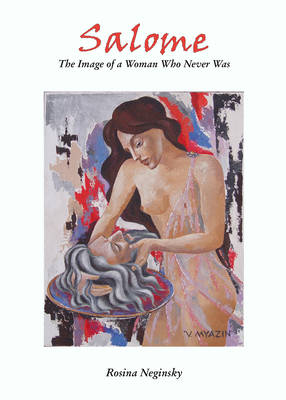
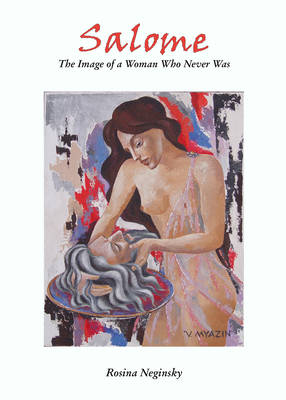
Although the root of the Hebrew name Salome is peaceful, the image spawned by the most famous woman to carry that name has been anything but peaceful. She and her story have long been linked to the beheading of John the Baptist, as described in the Gospels of Matthew and Mark, since Salome was the supposed catalyst for the prophet's execution. This history of the myth of Salome describes the process by which that myth was created, the roles that art, literature, theology and music played in that creation, and how Salome's image as evil varied from one period to another according to the prevailing cultural myths surrounding women. After setting forth the Biblical and historical origins of the Salome story, the book examines the major cultural, literary and artistic works which developed and propagated it, including those by Filippo Lippi, Rogier van der Weyden, Titian, Moreau, Beardsley, Mallarme, Wilde and Richard Strauss. The book will be of great interest to scholars and students of cultural history, literature and art history.
Specificaties
Betrokkenen
- Auteur(s):
- Uitgeverij:
Inhoud
- Aantal bladzijden:
- 288
- Taal:
- Engels
Eigenschappen
- Productcode (EAN):
- 9781443846219
- Verschijningsdatum:
- 6/08/2013
- Uitvoering:
- Hardcover
- Formaat:
- Genaaid
- Afmetingen:
- 150 mm x 208 mm
- Gewicht:
- 544 g


Alleen bij Standaard Boekhandel
+ 288 punten op je klantenkaart van Standaard Boekhandel
Cadeau

AANGERADEN


Beoordelingen
We publiceren alleen reviews die voldoen aan de voorwaarden voor reviews. Bekijk onze voorwaarden voor reviews.