


- Afhalen na 1 uur in een winkel met voorraad
- Gratis thuislevering in België vanaf € 30
- Ruim aanbod met 7 miljoen producten
- Afhalen na 1 uur in een winkel met voorraad
- Gratis thuislevering in België vanaf € 30
- Ruim aanbod met 7 miljoen producten





Sallust
€ 298,45
+ 596 punten
Omschrijving
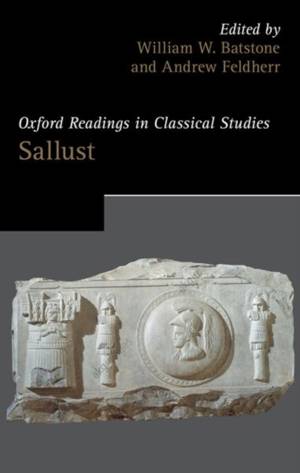
The Roman historian Sallust emerges from recent scholarship as one of the most innovative and original writers of the ancient world. His works describe the political and moral crises of Rome's civil wars in the first century BCE and raise questions about the possibilities for narrating the past that matter profoundly to historians today. This volume provides a substantial introduction to scholarship on Sallust, bringing together some of the best and most important studies from the last decades and setting them within the context of a rich and continuing scholarly tradition that includes influential works by Eduard Schwartz (1897) and Kurt Latte (1935). Each contribution presents a distinctive vision of the historian and together they reveal different aspects of his complexity and surprising modernity. Substantial attention is given to all three of Sallust's works: the monographs on the Catilinarian conspiracy and the war with Jugurtha, as well as the fragmentary Histories. Translations of important contributions by German and Italian scholars as well as a survey of the early modern reception of Sallust offer unprecedented access to the scope of Sallust studies. This volume will be an important resource for students of ancient history and Latin literature at all levels and also introduce a wider scholarly audience to Sallust's importance and interest.
Specificaties
Betrokkenen
- Uitgeverij:
Inhoud
- Aantal bladzijden:
- 508
- Taal:
- Engels
- Reeks:
Eigenschappen
- Productcode (EAN):
- 9780198790983
- Verschijningsdatum:
- 28/01/2020
- Uitvoering:
- Hardcover
- Formaat:
- Genaaid
- Afmetingen:
- 140 mm x 218 mm
- Gewicht:
- 748 g

Alleen bij Standaard Boekhandel
+ 596 punten op je klantenkaart van Standaard Boekhandel
Cadeau

AANGERADEN


Beoordelingen
We publiceren alleen reviews die voldoen aan de voorwaarden voor reviews. Bekijk onze voorwaarden voor reviews.