


- Afhalen na 1 uur in een winkel met voorraad
- Gratis thuislevering in België vanaf € 30
- Ruim aanbod met 7 miljoen producten
- Afhalen na 1 uur in een winkel met voorraad
- Gratis thuislevering in België vanaf € 30
- Ruim aanbod met 7 miljoen producten





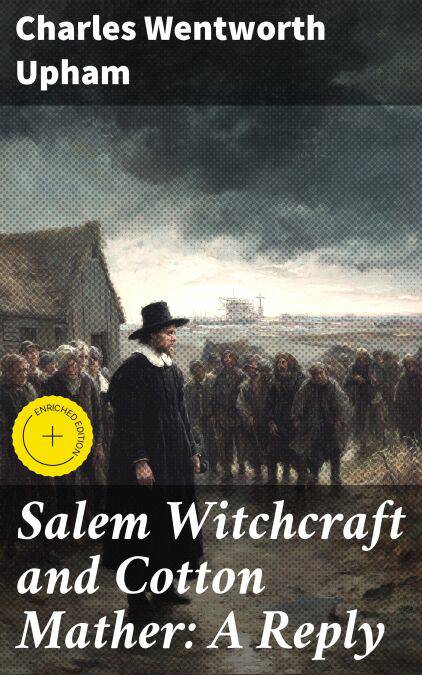
Salem Witchcraft and Cotton Mather: A Reply E-BOOK
Enriched edition. Unraveling the Mysteries of Salem Witchcraft: A Scholarly Exploration of Colonial Mass Hysteria and Religious Fervor
Charles Wentworth Upham
E-book | Engels
€ 0,99
€ 1,99
Omschrijving
In "Salem Witchcraft and Cotton Mather: A Reply," Charles Wentworth Upham intricately weaves a narrative that examines the historical context and implications of the Salem witch trials, focusing particularly on the role of influential Puritan minister Cotton Mather. Upham employs a scholarly yet accessible literary style, providing a critical response to both Mather's writings and the prevailing interpretations of the witch trials. The book is meticulously researched, presenting a compelling argument that dissects the socio-religious fabric of late 17th-century New England, while also challenging the simplistic notions surrounding fanaticism and moral authority during a period marked by paranoia and superstition. Upham, a prominent historian and politician, was deeply influenced by the cultural and religious currents of his time, particularly the ongoing discourse around religion in American society. His background in both law and history, coupled with a keen interest in the implications of religious extremism, led him to delve into the intricacies of the Salem witch trials. Upham's nuanced perspective is informed by a desire to reclaim historical accuracy in the face of mythologized narratives that conflate personal vendettas with overarching moral crises. This book is essential for those intrigued by the interplay of religion, law, and societal dynamics in early American history. Upham's analytical approach not only demystifies the events of Salem but also serves as a cautionary tale about the dangers of extremism. Scholars, students, and general readers alike will find this work to be both enlightening and thought-provoking.
In this enriched edition, we have carefully created added value for your reading experience:
- Hand‐picked Memorable Quotes shine a spotlight on moments of literary brilliance.
- Interactive footnotes clarify unusual references, historical allusions, and archaic phrases for an effortless, more informed read.
In this enriched edition, we have carefully created added value for your reading experience:
- Hand‐picked Memorable Quotes shine a spotlight on moments of literary brilliance.
- Interactive footnotes clarify unusual references, historical allusions, and archaic phrases for an effortless, more informed read.
Specificaties
Betrokkenen
- Auteur(s):
- Uitgeverij:
Inhoud
- Aantal bladzijden:
- 277
- Taal:
- Engels
Eigenschappen
- Productcode (EAN):
- 4057664639615
- Verschijningsdatum:
- 23/04/2021
- Uitvoering:
- E-book
- Beveiligd met:
- Digital watermarking
- Formaat:
- ePub


Alleen bij Standaard Boekhandel
Cadeau

AANGERADEN


Beoordelingen
We publiceren alleen reviews die voldoen aan de voorwaarden voor reviews. Bekijk onze voorwaarden voor reviews.