


- Afhalen na 1 uur in een winkel met voorraad
- Gratis thuislevering in België vanaf € 30
- Ruim aanbod met 7 miljoen producten
- Afhalen na 1 uur in een winkel met voorraad
- Gratis thuislevering in België vanaf € 30
- Ruim aanbod met 7 miljoen producten





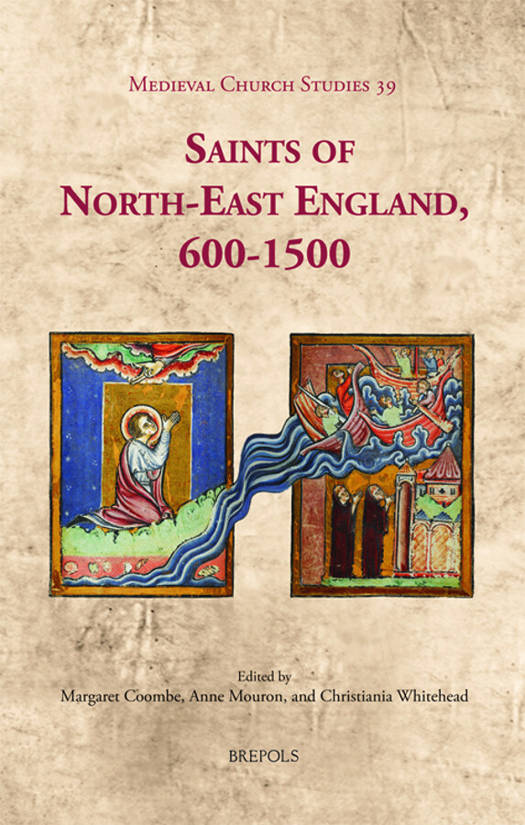
Saints of North-East England, 600-1500
Margaret Coombe
€ 116,60
+ 233 punten
Omschrijving
During the seventh and early eighth centuries a number of influential saints' cults were established within the Anglo-Saxon kingdom of Northumbria, most notably the cult of St Cuthbert served by the monks of Lindisfarne. Reacting to the Danish incursions of the ninth century, the Lindisfarne community gradually migrated south to Durham, where, in the early eleventh century, the relics of further Northumbrian saints were collected to join those of Cuthbert. Following the re-foundation of the Durham church as a Benedictine house in 1083, the community sought to legitimise itself by stressing its links with an ancient, saintly past. A century later, the cults of new hermit saints such as Godric of Finchale and Bartholomew of Farne, extensively modelled on St Cuthbert's example, were added to the north-eastern Durham familia. This volume takes an interdisciplinary approach to these north-eastern saints, offering a comprehensive snapshot of new scholarship within the field. The first section focuses on the most eminent saints and hagiographers of Anglo-Saxon Northumbria: Cuthbert, Wilfrid and Bede. The second section examines their utility for the twelfth-century, Anglo-Norman community at Durham, and surveys the cults which emerged alongside, including the early saint-bishops of Hexham Augustinian priory. The third section reviews the material culture which developed around these saints in the fourteenth and fifteenth centuries: their depiction in stained glass, their pilgrimages and processions, and the use of their banners in the Anglo-Scottish wars. A concluding essay re-evaluates the north-eastern cult of saints from post-Reformation perspectives.
Specificaties
Betrokkenen
- Auteur(s):
- Uitgeverij:
Inhoud
- Aantal bladzijden:
- 363
- Taal:
- Engels
- Reeks:
- Reeksnummer:
- nr. 39
Eigenschappen
- Productcode (EAN):
- 9782503567150
- Verschijningsdatum:
- 22/12/2017
- Uitvoering:
- Hardcover
- Formaat:
- Genaaid
- Afmetingen:
- 160 mm x 239 mm
- Gewicht:
- 816 g


Alleen bij Standaard Boekhandel
+ 233 punten op je klantenkaart van Standaard Boekhandel
Cadeau

AANGERADEN


Beoordelingen
We publiceren alleen reviews die voldoen aan de voorwaarden voor reviews. Bekijk onze voorwaarden voor reviews.