


- Afhalen na 1 uur in een winkel met voorraad
- Gratis thuislevering in België vanaf € 30
- Ruim aanbod met 7 miljoen producten
- Afhalen na 1 uur in een winkel met voorraad
- Gratis thuislevering in België vanaf € 30
- Ruim aanbod met 7 miljoen producten





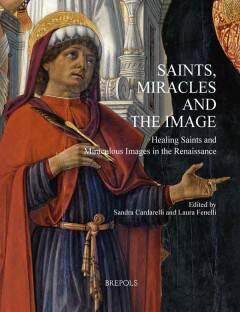
Saints, Miracles and the Image
Healing Saints and Miraculous Images in the Renaissance
Sandra Cardarelli
Hardcover | Engels
€ 137,80
+ 275 punten
Omschrijving
In recent years the study of miraculous images has experienced a substantial re-evaluation of their importance as powerful agents of divine intercession and assistance in Renaissance society. Nonetheless, aspects related to the genesis, devotional use and preferences of these images remain only broadly outlined and geographically constrained. In parallel with the great veneration for miracle-performing Marian and Christological imagery, other saintly figures became the objects of widespread devotion on account of their protective and curative powers, and the images of these saints became cult objects themselves. This volume fills a void in current art historical research and examines how miraculous images and the imagery of healing saints were crucial to the creation of individual, corporate and collective identities in Florence, Siena, Rome, Naples and other lesser researched Italian centres. The essays in this collection address aspects related to the development of hagiographies, iconographies, cult of relics, and devotion of healing saints. Moreover, it considers imagery related to miraculous events also in terms of material culture in the private and public domains. The images will therefore be studied both as aesthetic objects and as cult objects, in order to interrogate the often tense relationship between mechanical vision and cultural visuality. While dealing with specific curative, protective, and miraculous episodes related to the exposition of sacred images, this book unravels questions of patronage, authorship, agency, and tradition.
Specificaties
Betrokkenen
- Auteur(s):
- Uitgeverij:
Inhoud
- Aantal bladzijden:
- 312
- Taal:
- Engels
Eigenschappen
- Productcode (EAN):
- 9782503568188
- Verschijningsdatum:
- 30/10/2018
- Uitvoering:
- Hardcover
- Formaat:
- Genaaid
- Afmetingen:
- 221 mm x 287 mm
- Gewicht:
- 1655 g


Alleen bij Standaard Boekhandel
+ 275 punten op je klantenkaart van Standaard Boekhandel
Cadeau

AANGERADEN


Beoordelingen
We publiceren alleen reviews die voldoen aan de voorwaarden voor reviews. Bekijk onze voorwaarden voor reviews.