


- Afhalen na 1 uur in een winkel met voorraad
- Gratis thuislevering in België vanaf € 30
- Ruim aanbod met 7 miljoen producten
- Afhalen na 1 uur in een winkel met voorraad
- Gratis thuislevering in België vanaf € 30
- Ruim aanbod met 7 miljoen producten





€ 266,95
+ 533 punten
Uitvoering
Omschrijving
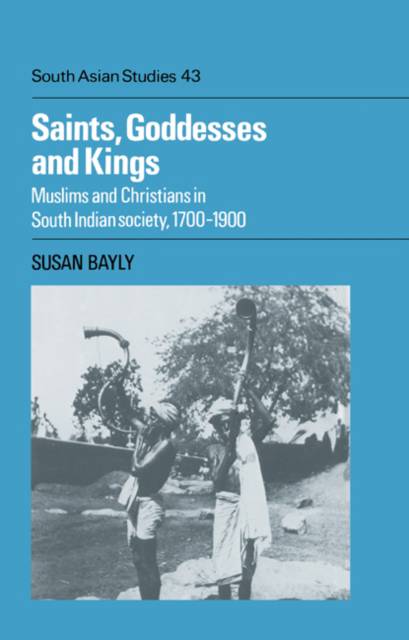
South India is often portrayed as a land of Hindu orthodoxy, yet in fact three great "world religions" have interacted in the region over many centuries. This book uses a powerful combination of oral, literary, and architectural evidence to investigate the social and religious world of those large and influential groups of South Indians who came to identify themselves as Christians and Muslims, while retaining powerful links with the religion and culture of the wider society. The author shows how Christianity and Islam spread along the military and agricultural frontiers of southern India, and how certain beliefs and practices derived local force from an ambiguous relationship with the worship of existing Hindu goddesses. The book illuminates not only the meaning and history of religious conversion and the nature of community, but wider processes of social and political change within the sub-continent and colonial societies in general.
Specificaties
Betrokkenen
- Auteur(s):
- Uitgeverij:
Inhoud
- Aantal bladzijden:
- 532
- Taal:
- Engels
- Reeks:
- Reeksnummer:
- nr. 43
Eigenschappen
- Productcode (EAN):
- 9780521372015
- Verschijningsdatum:
- 26/01/1990
- Uitvoering:
- Hardcover
- Formaat:
- Genaaid
- Afmetingen:
- 140 mm x 216 mm
- Gewicht:
- 820 g


Alleen bij Standaard Boekhandel
+ 533 punten op je klantenkaart van Standaard Boekhandel
Cadeau

AANGERADEN


Beoordelingen
We publiceren alleen reviews die voldoen aan de voorwaarden voor reviews. Bekijk onze voorwaarden voor reviews.