


- Afhalen na 1 uur in een winkel met voorraad
- Gratis thuislevering in België vanaf € 30
- Ruim aanbod met 7 miljoen producten
- Afhalen na 1 uur in een winkel met voorraad
- Gratis thuislevering in België vanaf € 30
- Ruim aanbod met 7 miljoen producten





€ 50,00
+ 100 punten
Omschrijving
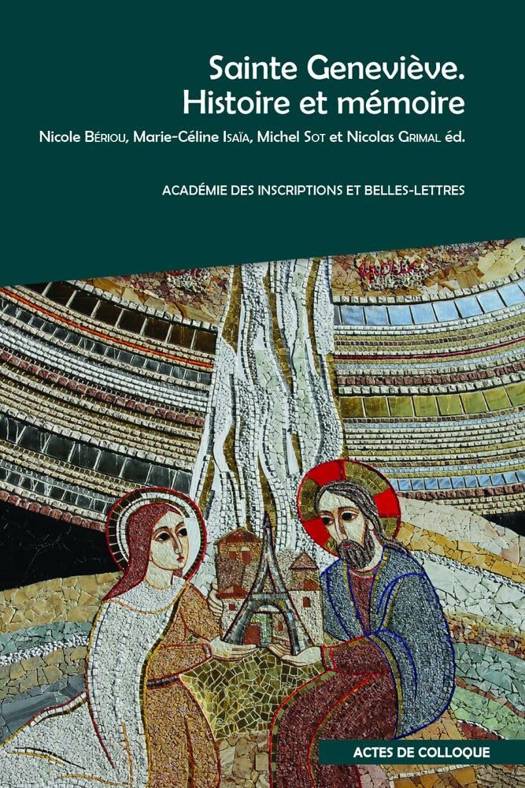
Saint Genevieve has disappeared from commercial avertissements promoting the taste of chocolate, but as a patron saint of Paris her silhouette still dominates on the Pont de la Tournelle a few yards from Notre-Dame. A stroll in the Latin Quarter of Paris still takes us up her hill, 'Montagne Sainte-Genevieve'. In the Pantheon the visitor still encounters her story told by the palette of Puvis de Chavannes, and students still pour into the library that bears her name. Who was she, this woman, a contemporary of Clovis and Attila the Hun? And while her cult is maintained today by the brotherhood responsible for the shrine and her relics, how did it unfold? Some twenty scholars have come together to pool their knowledge and recreate through their research a portrait of St Genevieve in and for our time. Texts, musical scores and images are analysed to discover the multiple 'reality' given to this eminent saint, who has been fancifully portrayed with the features of a shepherdess. She has been an inspiration to Peguy, Apollinaire and Claudel. From Nanterre to Paris she remains, in Michel Zink's words, 'the common property of all the inhabitants of Greater Paris'.
Specificaties
Betrokkenen
- Auteur(s):
- Uitgeverij:
Inhoud
- Aantal bladzijden:
- 524
- Taal:
- Frans
- Reeks:
Eigenschappen
- Productcode (EAN):
- 9782877546959
- Verschijningsdatum:
- 31/12/2022
- Uitvoering:
- Paperback
- Formaat:
- Trade paperback (VS)
- Afmetingen:
- 160 mm x 239 mm
- Gewicht:
- 857 g



Alleen bij Standaard Boekhandel
+ 100 punten op je klantenkaart van Standaard Boekhandel
CADEAU

AANGERADEN


Beoordelingen
We publiceren alleen reviews die voldoen aan de voorwaarden voor reviews. Bekijk onze voorwaarden voor reviews.