


- Afhalen na 1 uur in een winkel met voorraad
- Gratis thuislevering in België vanaf € 30
- Ruim aanbod met 7 miljoen producten
- Afhalen na 1 uur in een winkel met voorraad
- Gratis thuislevering in België vanaf € 30
- Ruim aanbod met 7 miljoen producten





€ 34,95
+ 69 punten
Omschrijving
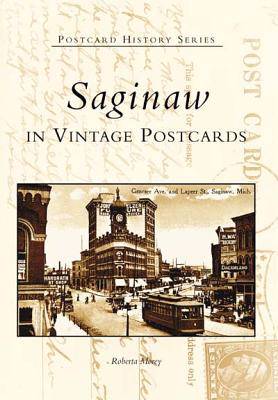
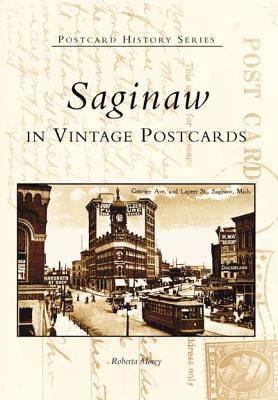
Because of its excellent river system, Saginaw developed from an Indian village into a bustling lumber town. In its early days, investors came from eastern cities and became wealthy lumber barons. They built beautiful mansions, hotels, and public buildings while they also supported civic projects. Before consolidating, there were two cities: East Saginaw and Saginaw City, separated by the Saginaw River. Many German societies, schools, and churches were organized in the area, due to the large number of residents with a German heritage. The early residents survived fires, floods, and the end of the lumber boom. Other industries developed and the city continued to grow. The rare postcards that appear in this book depict many historical buildings, the two separate cities, the German influence, and the philanthropy of the lumber barons. Join author Roberta Morey on a journey through Saginaw's rich industrial and cultural history.
Specificaties
Betrokkenen
- Auteur(s):
- Uitgeverij:
Inhoud
- Aantal bladzijden:
- 128
- Taal:
- Engels
- Reeks:
Eigenschappen
- Productcode (EAN):
- 9780738532936
- Verschijningsdatum:
- 11/08/2004
- Uitvoering:
- Paperback
- Formaat:
- Trade paperback (VS)
- Afmetingen:
- 166 mm x 238 mm
- Gewicht:
- 299 g


Alleen bij Standaard Boekhandel
+ 69 punten op je klantenkaart van Standaard Boekhandel
Cadeau

AANGERADEN


Beoordelingen
We publiceren alleen reviews die voldoen aan de voorwaarden voor reviews. Bekijk onze voorwaarden voor reviews.