


- Afhalen na 1 uur in een winkel met voorraad
- Gratis thuislevering in België vanaf € 30
- Ruim aanbod met 7 miljoen producten
- Afhalen na 1 uur in een winkel met voorraad
- Gratis thuislevering in België vanaf € 30
- Ruim aanbod met 7 miljoen producten





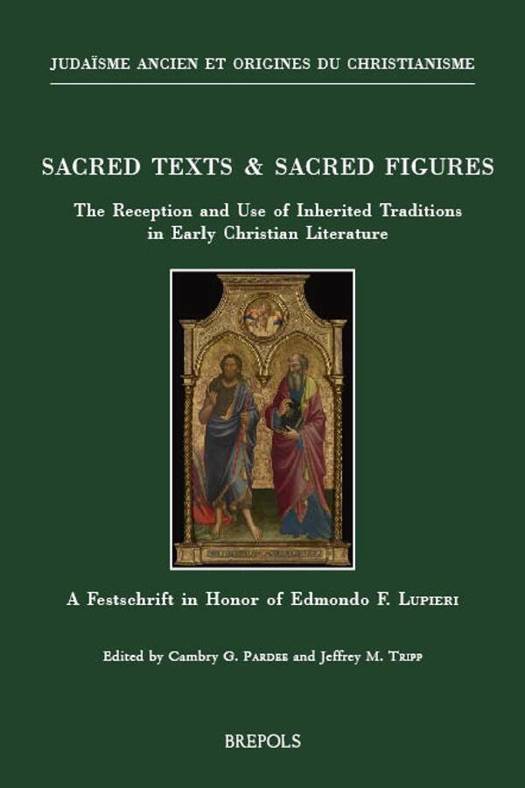
Sacred Texts & Sacred Figures: The Reception and Use of Inherited Traditions in Early Christian Literature
Cambry G. Pardee
€ 84,80
+ 169 punten
Omschrijving
In tribute to the scholarly legacy of Edmondo F. Lupieri, in Sacred Texts, Sacred Figures an international group of esteemed biblical scholars offer essays on the ways religious traditions, texts, and even the legacies of notable figures were received, re-interpreted, and used by the authors of gospels, epistles, and apocalypses to address the ever-evolving circumstances of emerging Christianity. In the first and second century CE, oral and written traditions about the life of Jesus proliferated and formed the basis for written narratives. The authors of the gospels received and redacted those traditions to make distinctive theological claims about Jesus and to address their specific milieu and the wider movement of Jesus followers. Among some groups of Jesus-followers the sacred texts of Judaism remained paramount. Authors like that of the Epistle to the Hebrews re-examined their inheritance of Jewish scriptures in order to demonstrate the continuity of their novel claims about Jesus with the sacred texts and traditions of Judaism. Similarly, the authors of first- and second-century apocalypses drew on the heritage of Jewish apocalypticism to write and record new revelations of and about Jesus. In addition to traditions and texts, authors in the first and second centuries re-examined the legacy of significant Jewish figures and followers of Jesus and wrote about them in the context of their own contemporary circumstances. Using innovative strategies and written in an engaging style, the essays assembled here explore the reception and reinterpretation of sacred traditions, texts, and figures in the writings of early Christianity.
Specificaties
Betrokkenen
- Auteur(s):
- Uitgeverij:
Inhoud
- Aantal bladzijden:
- 386
- Taal:
- Frans
- Reeks:
- Reeksnummer:
- nr. 25
Eigenschappen
- Productcode (EAN):
- 9782503599182
- Verschijningsdatum:
- 17/10/2022
- Uitvoering:
- Paperback
- Formaat:
- Trade paperback (VS)
- Afmetingen:
- 154 mm x 232 mm
- Gewicht:
- 680 g


Alleen bij Standaard Boekhandel
+ 169 punten op je klantenkaart van Standaard Boekhandel
Cadeau

AANGERADEN


Beoordelingen
We publiceren alleen reviews die voldoen aan de voorwaarden voor reviews. Bekijk onze voorwaarden voor reviews.