


- Afhalen na 1 uur in een winkel met voorraad
- Gratis thuislevering in België vanaf € 30
- Ruim aanbod met 7 miljoen producten
- Afhalen na 1 uur in een winkel met voorraad
- Gratis thuislevering in België vanaf € 30
- Ruim aanbod met 7 miljoen producten





€ 106,00
+ 212 punten
Omschrijving
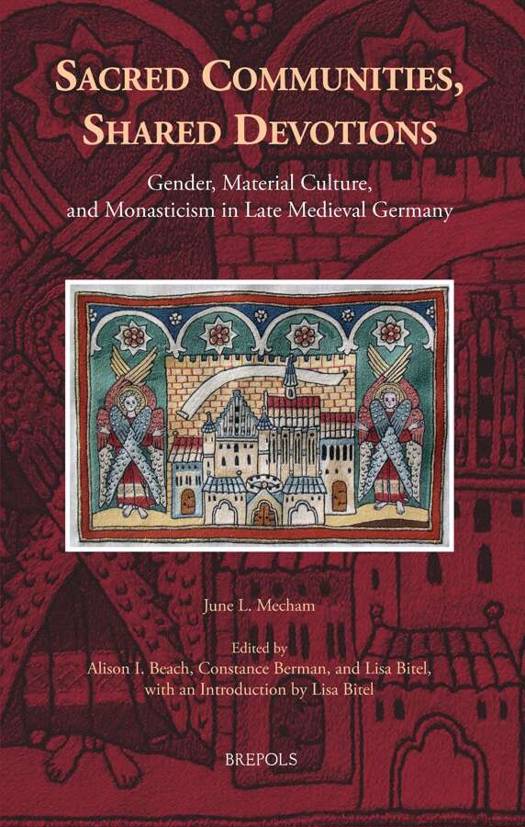
Sacred Communities, Shared Devotions takes us behind the gates of six medieval Saxon convents and into the lives of rich and noble nuns going about their daily labour of religion just before the Lutheran Reformation. Drawing on writings by and about the nuns, as well as an analysis of the costly art and architecture of their monasteries, June Mecham reveals how monastic women wielded their wealth to create a ritual environment dense with Christian images and meanings. Mecham argues that nuns chose devotions and rituals within the framework of a distinct material culture, influenced by local religious customs, gender structures, and social protocols. She questions perceived differences between monastic and lay piety, emphasizing instead the shared religious culture in which monastic and laywomen actively participated, and the continuity that shaped female devotion. Looking through lenses of art, history, and spirituality, Mecham describes the spiritual and social tensions caused by women who vowed poverty but lived a seemingly lavish life funded by private income. Medieval reformers, as well as modern scholars, suggested that profligate nuns hastened the decline of medieval convents, but Sacred Communities, Shared Devotions proves that these women did not oppose reform. They simply fought to maintain their traditional devotions and religious environments even as they adapted to new religious sensibilities.
Specificaties
Betrokkenen
- Auteur(s):
- Uitgeverij:
Inhoud
- Aantal bladzijden:
- 328
- Taal:
- Frans
- Reeks:
- Reeksnummer:
- nr. 29
Eigenschappen
- Productcode (EAN):
- 9782503541341
- Verschijningsdatum:
- 17/03/2014
- Uitvoering:
- Hardcover
- Formaat:
- Genaaid
- Afmetingen:
- 163 mm x 239 mm
- Gewicht:
- 680 g



Alleen bij Standaard Boekhandel
+ 212 punten op je klantenkaart van Standaard Boekhandel
Cadeau

AANGERADEN


Beoordelingen
We publiceren alleen reviews die voldoen aan de voorwaarden voor reviews. Bekijk onze voorwaarden voor reviews.