


- Afhalen na 1 uur in een winkel met voorraad
- Gratis thuislevering in België vanaf € 30
- Ruim aanbod met 7 miljoen producten
- Afhalen na 1 uur in een winkel met voorraad
- Gratis thuislevering in België vanaf € 30
- Ruim aanbod met 7 miljoen producten





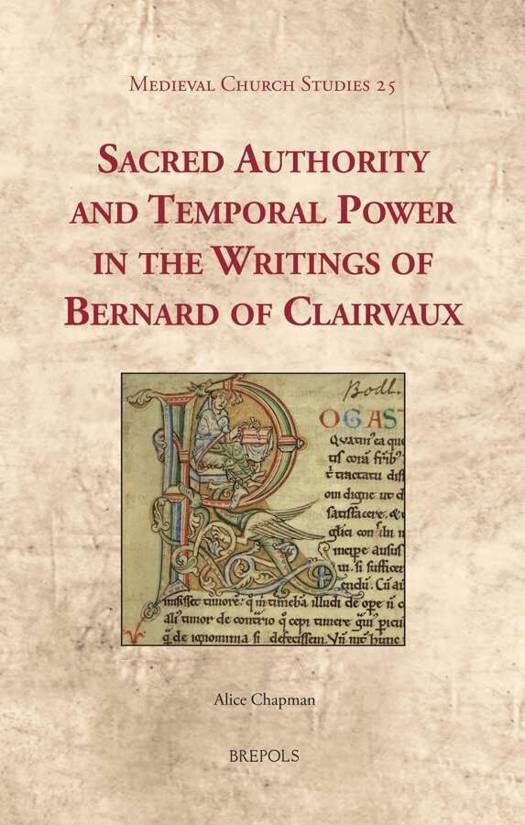
Sacred Authority and Temporal Power in the Writings of Bernard of Clairvaux
Alice Chapman
€ 90,10
+ 180 punten
Omschrijving
The aftermath of the Investiture Controversy left the relationship between the Church and imperial power in ruins. In reaction to these developments, the Concordat of Worms in 1122 sought a compromise to restore the association between the two sides. The Concordat was only the beginning, and a spirit of cooperation between the Church and temporal powers began to emerge. This collaborative relationship is exemplified in the writings of Bernard of Clairvaux (1091-1153). Bernard of Clairvaux was both a Cistercian abbot and a major political figure in the twelfth century. He inherited the Latin vocabulary of earlier Christian writers, but needed a more nuanced language to express the complex political relationship between church and state during the settlement of episcopal investiture. In his writings Bernard distinguished between the authority (auctoritas) of the Church and the power (potestas) of temporal rulers. The language of separation was designed to delineate spheres of influence rather than to reflect opposition - a vocabulary that ultimately presents the relationship between the two powers as less of a fencing match and more of a dance. Sacred Authority and Temporal Power emphasises and enhances our understanding of the significance of Bernard's writings for the mediation of power and authority in the twelfth century.
Specificaties
Betrokkenen
- Auteur(s):
- Uitgeverij:
Inhoud
- Aantal bladzijden:
- 249
- Taal:
- Frans
- Reeks:
- Reeksnummer:
- nr. 25
Eigenschappen
- Productcode (EAN):
- 9782503541051
- Verschijningsdatum:
- 4/11/2013
- Uitvoering:
- Hardcover
- Formaat:
- Genaaid
- Afmetingen:
- 163 mm x 239 mm
- Gewicht:
- 566 g


Alleen bij Standaard Boekhandel
+ 180 punten op je klantenkaart van Standaard Boekhandel
Cadeau

AANGERADEN


Beoordelingen
We publiceren alleen reviews die voldoen aan de voorwaarden voor reviews. Bekijk onze voorwaarden voor reviews.