


- Afhalen na 1 uur in een winkel met voorraad
- Gratis thuislevering in België vanaf € 30
- Ruim aanbod met 7 miljoen producten
- Afhalen na 1 uur in een winkel met voorraad
- Gratis thuislevering in België vanaf € 30
- Ruim aanbod met 7 miljoen producten





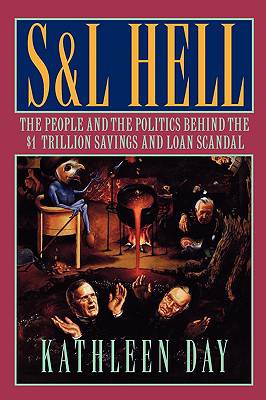
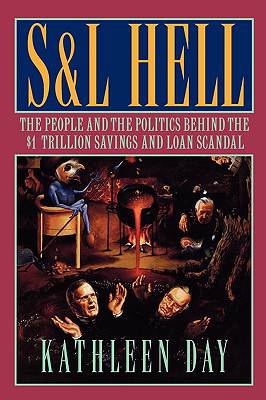
S & L Hell
The People and the Politics Behind the $1 Trillion Savings and Loan Scandal
Kathleen Day
Paperback | Engels
€ 42,95
+ 85 punten
Omschrijving
The most remarkable thing about the collapse of the savings and loan industry is that so many of the major participants--the regulators, politicians, and S&L operators themselves--chose to do nothing as they watched problems mount and taxpayer liabilities grow. That choice was dictated by a variety of motives: greed, political self-interest, and even (sometimes) misguided good intentions. Whatever the motives, this collective interest in hiding the debacle made it certain that the industry's final fall would come with an enormous bang, one that would force administrations that professed a free market philosophy essentially to nationalize a majority of the nation's thrifts. As a result, the industry in many respects became one of the best examples of socialism in the U.S. economy.
Specificaties
Betrokkenen
- Auteur(s):
- Uitgeverij:
Inhoud
- Aantal bladzijden:
- 420
- Taal:
- Engels
Eigenschappen
- Productcode (EAN):
- 9780393337228
- Verschijningsdatum:
- 1/05/1993
- Uitvoering:
- Paperback
- Formaat:
- Trade paperback (VS)
- Afmetingen:
- 152 mm x 229 mm
- Gewicht:
- 612 g


Alleen bij Standaard Boekhandel
+ 85 punten op je klantenkaart van Standaard Boekhandel
Cadeau

AANGERADEN


Beoordelingen
We publiceren alleen reviews die voldoen aan de voorwaarden voor reviews. Bekijk onze voorwaarden voor reviews.