


- Afhalen na 1 uur in een winkel met voorraad
- Gratis thuislevering in België vanaf € 30
- Ruim aanbod met 7 miljoen producten
- Afhalen na 1 uur in een winkel met voorraad
- Gratis thuislevering in België vanaf € 30
- Ruim aanbod met 7 miljoen producten




€ 157,45
+ 314 punten
Uitvoering
Omschrijving
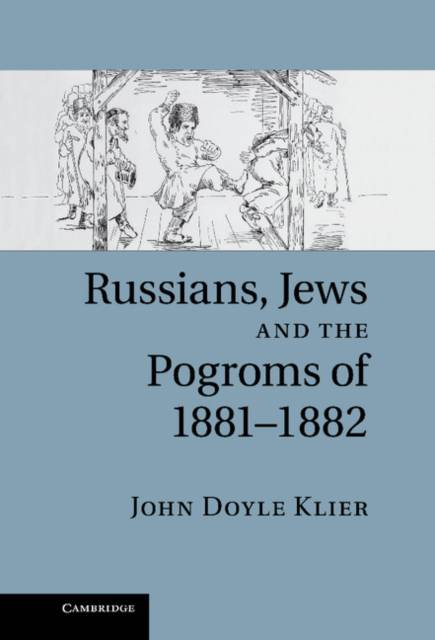
Anti-Jewish pogroms rocked the Russian Empire in 1881-2, plunging both the Jewish community and the imperial authorities into crisis. Focusing on a wide range of responses to the pogroms, this book offers the most comprehensive, balanced, and complex study of the crisis to date. It presents a nuanced account of the diversity of Jewish political reactions and introduces a wealth of new sources covering Russian and other non-Jewish reactions to these events. Seeking to answer the question of what caused the pogroms' outbreak and spread, the book provides a fuller picture of how officials at every level responded to the national emergency and irrevocably lays to rest the myth that the authorities instigated or tolerated the pogroms. This is essential reading not only for Russian and Jewish historians but also for those interested in the study of ethnic violence more generally.
Specificaties
Betrokkenen
- Auteur(s):
- Uitgeverij:
Inhoud
- Aantal bladzijden:
- 518
- Taal:
- Engels
Eigenschappen
- Productcode (EAN):
- 9780521895484
- Verschijningsdatum:
- 31/03/2011
- Uitvoering:
- Hardcover
- Formaat:
- Ongenaaid / garenloos gebonden
- Afmetingen:
- 152 mm x 229 mm
- Gewicht:
- 952 g


Alleen bij Standaard Boekhandel
+ 314 punten op je klantenkaart van Standaard Boekhandel

Beoordelingen
We publiceren alleen reviews die voldoen aan de voorwaarden voor reviews. Bekijk onze voorwaarden voor reviews.