


- Afhalen na 1 uur in een winkel met voorraad
- Gratis thuislevering in België vanaf € 30
- Ruim aanbod met 7 miljoen producten
- Afhalen na 1 uur in een winkel met voorraad
- Gratis thuislevering in België vanaf € 30
- Ruim aanbod met 7 miljoen producten





Omschrijving
"A great Russian novel…in the grand Russian tradition."—Le Figaro
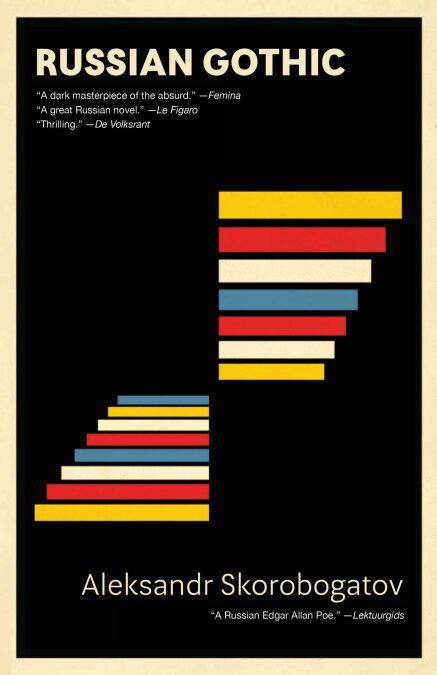
Russian Gothic, a short and intense novel by Belgium-based Belorussian novelist Aleksandr Skorobogatov that, since its initial publication in Russia in 1991, has gone on to sell over a million copies worldwide and hailed as an early masterpiece of post-Soviet literature, eliciting comparisons to Gogol and Bulgakov. Russian Gothic is a dark tale of the descent into paranoia and violence of Nikolai, a veteran of the Soviet-Afghan war. When a mysterious figure, Sergeant Bertrand, appears on his doorstep and starts insinuating that Nikolai’s wife, Vera, may be having an affair, Nikolai’s faith in his wife, the only person to stand by him after his return to civilian life, starts to crumble—with devastating consequences. Skorobogatov, the author of five critically acclaimed novels, has been published widely in Europe, but Russian Gothic is the first of his works to be translated into English. The UK edition was recently released by Old Street, garnering truly stellar reviews, including in the Telegraph (“thoroughly magnificent”) and The Sunday Times (“riveting”). Three decades after it was written, its complex portrait of grief, misogyny, violence—and love—is as fresh, shocking, and relevant as ever.
Russian Gothic, a short and intense novel by Belgium-based Belorussian novelist Aleksandr Skorobogatov that, since its initial publication in Russia in 1991, has gone on to sell over a million copies worldwide and hailed as an early masterpiece of post-Soviet literature, eliciting comparisons to Gogol and Bulgakov. Russian Gothic is a dark tale of the descent into paranoia and violence of Nikolai, a veteran of the Soviet-Afghan war. When a mysterious figure, Sergeant Bertrand, appears on his doorstep and starts insinuating that Nikolai’s wife, Vera, may be having an affair, Nikolai’s faith in his wife, the only person to stand by him after his return to civilian life, starts to crumble—with devastating consequences. Skorobogatov, the author of five critically acclaimed novels, has been published widely in Europe, but Russian Gothic is the first of his works to be translated into English. The UK edition was recently released by Old Street, garnering truly stellar reviews, including in the Telegraph (“thoroughly magnificent”) and The Sunday Times (“riveting”). Three decades after it was written, its complex portrait of grief, misogyny, violence—and love—is as fresh, shocking, and relevant as ever.
Specificaties
Betrokkenen
- Auteur(s):
- Uitgeverij:
Inhoud
- Aantal bladzijden:
- 128
- Taal:
- Engels
Eigenschappen
- Productcode (EAN):
- 9781644284582
- Verschijningsdatum:
- 24/06/2024
- Uitvoering:
- E-book
- Beveiligd met:
- Adobe DRM
- Formaat:
- ePub


Alleen bij Standaard Boekhandel
+ 19 punten op je klantenkaart van Standaard Boekhandel
Cadeau

AANGERADEN


Beoordelingen
We publiceren alleen reviews die voldoen aan de voorwaarden voor reviews. Bekijk onze voorwaarden voor reviews.