


- Afhalen na 1 uur in een winkel met voorraad
- Gratis thuislevering in België vanaf € 30
- Ruim aanbod met 7 miljoen producten
- Afhalen na 1 uur in een winkel met voorraad
- Gratis thuislevering in België vanaf € 30
- Ruim aanbod met 7 miljoen producten





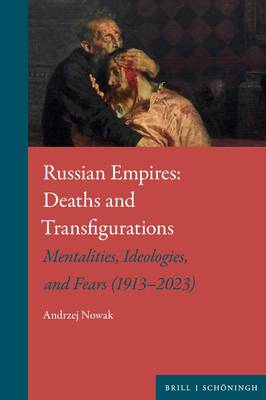
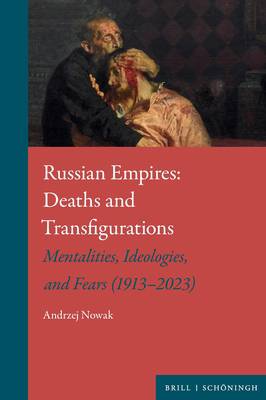
Russian Empires: Deaths and Transfigurations
Mentalities, Ideologies, and Fears (1913-2023)
Andrzej Nowak
€ 58,45
+ 116 punten
Omschrijving
The study presents a new perspective on one of the most debated issues now: Russia's imperial legacies, their continuity, and changes over the last decades. It offers an innovative way to understand how Vladimir Putin's regime is founded in Russian political traditions and popular emotions. The book consists in a comparison of ideological answers to two crises of the empire: the one from the early twentieth century, and the other one from the end of the century, 1991 - the fall of the Soviet Union. Beginning from Mikhail Menshikov, presented here as the first author of the Russkiy Mir, through Pyotr Savitsky, a "founding father" of contemporary Eurasianism, the book reevaluates Lenin and Stalin's imperial legacies as inspiring today's debates in Russia. A detailed analysis of messianisms of the post-Soviet intelligentsia and the revived obsession with a geopolitical game against the West lead up to the final chapter, which looks at the view of Russia and its history presented by Putin.
Specificaties
Betrokkenen
- Auteur(s):
- Uitgeverij:
Inhoud
- Aantal bladzijden:
- 336
- Taal:
- Engels
- Reeks:
- Reeksnummer:
- nr. 3
Eigenschappen
- Productcode (EAN):
- 9783506705372
- Verschijningsdatum:
- 5/10/2026
- Uitvoering:
- Hardcover
- Formaat:
- Genaaid
- Afmetingen:
- 155 mm x 235 mm


Alleen bij Standaard Boekhandel
+ 116 punten op je klantenkaart van Standaard Boekhandel
Cadeau

AANGERADEN


Beoordelingen
We publiceren alleen reviews die voldoen aan de voorwaarden voor reviews. Bekijk onze voorwaarden voor reviews.