


- Afhalen na 1 uur in een winkel met voorraad
- Gratis thuislevering in België vanaf € 30
- Ruim aanbod met 7 miljoen producten
- Afhalen na 1 uur in een winkel met voorraad
- Gratis thuislevering in België vanaf € 30
- Ruim aanbod met 7 miljoen producten





€ 59,95
+ 119 punten
Omschrijving
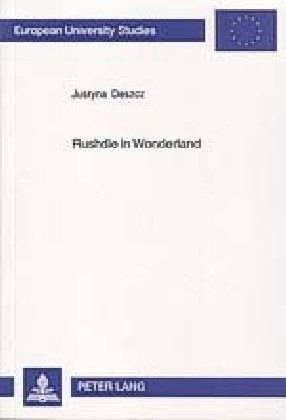
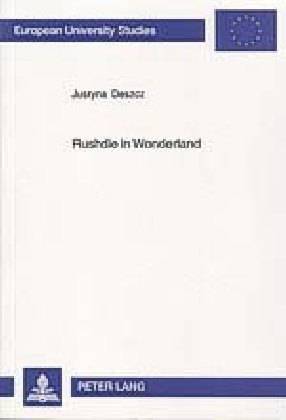
Why should one attempt to write anything more on Salman Rushdie, one of the most controversial writers of post-colonial and postmodern literatures in English? Is it possible to say anything new about an author whose works have been discussed very thoroughly? This study does so by revealing the fairytaleness of Rushdie's fiction: it shows how Western fairytales contribute to a map Rushdie has been charting in order to navigate across multiple religious, political, economic and cultural territories. This element of Rushdie's literary output has not been frequently discussed and it both completes the existing analyses and opens avenues for further research. The study involves diverse methodologies relevant both to the contemporary complexity of the fairytale and the multiple stratums of fairytaleness in Rushdie's work and consists of two carefully argued parts. Part one deals with the postmodern aspect of the fairytale-poetics of Rushdie's fiction. Part two focuses on the post-colonial themes expressed by Rushdie through fairytales. Such a synthesis of fairytale elements in Rushdie's works results in a systematic typology and alternative critical reflection on his oeuvre in counterpoint to purely post-colonial or postmodern readings. The monograph is completed with the thematically ordered and detailed bibliography.
Specificaties
Betrokkenen
- Auteur(s):
- Uitgeverij:
Inhoud
- Aantal bladzijden:
- 200
- Taal:
- Engels
- Reeks:
- Reeksnummer:
- nr. 405
Eigenschappen
- Productcode (EAN):
- 9783631520802
- Verschijningsdatum:
- 4/05/2004
- Uitvoering:
- Paperback
- Formaat:
- Trade paperback (VS)
- Afmetingen:
- 148 mm x 210 mm
- Gewicht:
- 269 g


Alleen bij Standaard Boekhandel
+ 119 punten op je klantenkaart van Standaard Boekhandel
Cadeau

AANGERADEN


Beoordelingen
We publiceren alleen reviews die voldoen aan de voorwaarden voor reviews. Bekijk onze voorwaarden voor reviews.