


- Afhalen na 1 uur in een winkel met voorraad
- Gratis thuislevering in België vanaf € 30
- Ruim aanbod met 7 miljoen producten
- Afhalen na 1 uur in een winkel met voorraad
- Gratis thuislevering in België vanaf € 30
- Ruim aanbod met 7 miljoen producten





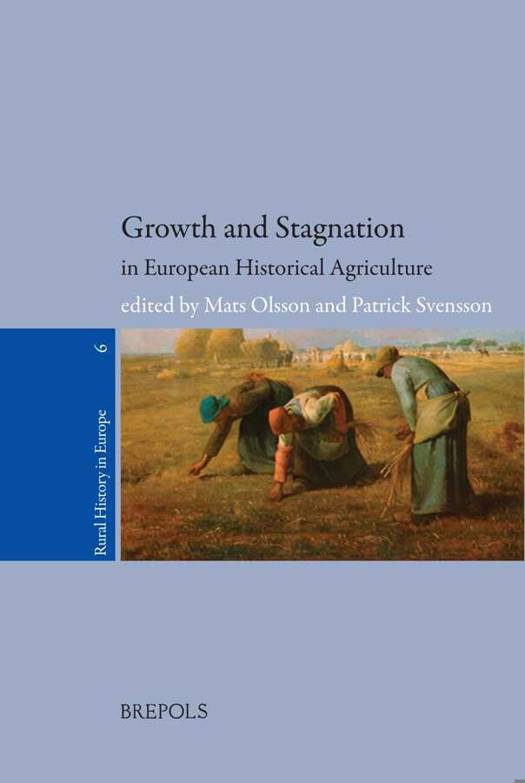
RURHE 06 Growth and Stagnation in European Historical Agriculture
Mats Olsson
€ 75,26
+ 150 punten
Omschrijving
Agricultural production has been the basic and single most important factor for the well-being of mankind since the Neolithic revolution. Insufficient agricultural output has led to deficient means of subsistence and sometimes even starvation, while rich harvests brought about plenty and prosperity. Continuous increases in agricultural output have transformed whole societies and continents, bringing about radical changes in people's lives and economic prospects. This book is focused on measuring and explaining agricultural growth in Europe. For most countries statistics on agricultural production are either non-existing or shaky for the period up to the end of the nineteenth century. Consequently, researchers dealing with historical farming have been forced to put a lot of effort into reconstructing reliable data on inputs and outputs. The last decades have seen major progress, and new approaches to quantify and explain agricultural development have been adopted. The book is the result of these efforts and it encompasses estimations and explanations of European historical agriculture over time, from the ninth to the twentieth century, and over space, from the Iberian Peninsula to Scandinavia and from the British Isles to Russia. Mats Olsson and Patrick Svensson are associate professors in Economic History at Lund University. Their major research area is the agricultural transformation of Sweden and its social and demographic consequences, covering the manorial system, peasant production and labour productivity, social mobility, and preindustrial land and capital markets.
Specificaties
Betrokkenen
- Auteur(s):
- Uitgeverij:
Inhoud
- Aantal bladzijden:
- 307
- Taal:
- Engels
- Reeks:
- Reeksnummer:
- nr. 6
Eigenschappen
- Productcode (EAN):
- 9782503540764
- Verschijningsdatum:
- 31/08/2011
- Uitvoering:
- Paperback
- Formaat:
- Trade paperback (VS)
- Afmetingen:
- 155 mm x 231 mm
- Gewicht:
- 498 g


Alleen bij Standaard Boekhandel
+ 150 punten op je klantenkaart van Standaard Boekhandel
Cadeau

AANGERADEN


Beoordelingen
We publiceren alleen reviews die voldoen aan de voorwaarden voor reviews. Bekijk onze voorwaarden voor reviews.