



- Afhalen na 1 uur in een winkel met voorraad
- In januari gratis thuislevering in België
- Ruim aanbod met 7 miljoen producten
- Afhalen na 1 uur in een winkel met voorraad
- In januari gratis thuislevering in België
- Ruim aanbod met 7 miljoen producten





€ 84,95
+ 169 punten
Omschrijving
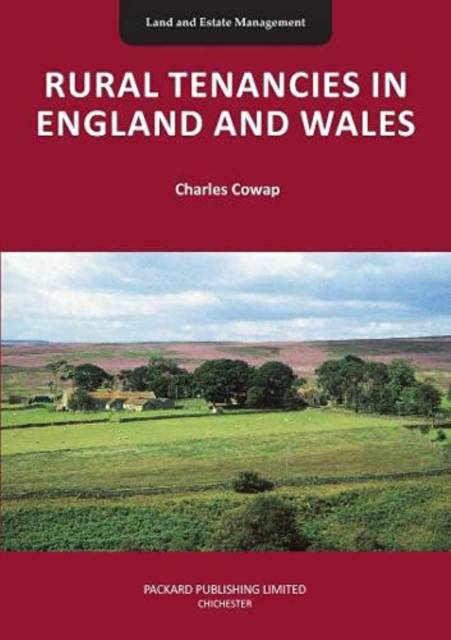
A short but comprehensive introduction to the types of tenancy which may be encountered in the countryside of England and Wales. The content deals with agricultural, residential and business tenancies, and the nature of rent. It is written for aspiring land agents, land managers and agricultural solicitors. Not only for students in universities and colleges, it will also be a valuable primer for those working with farmers whose need for knowledge may not extend to some of the more specialized sources, for example agricultural accountants, farm business and agronomy consultants. Farm managers should also find the information useful in ensuring they get the best support from their land agents and other advisors.Residential tenancies are also covered, which almost match agricultural tenancies in their complexity, and the wholly different regime which applies to business tenancies. An understanding in these areas is also vital to anybody promoting new policies and schemes in the countryside, which all too often can easily overlook the importance of the landlord-tenant reationship in agriculture
Specificaties
Betrokkenen
- Auteur(s):
- Uitgeverij:
Inhoud
- Aantal bladzijden:
- 60
- Taal:
- Engels
- Reeks:
Eigenschappen
- Productcode (EAN):
- 9781853411564
- Verschijningsdatum:
- 6/08/2021
- Uitvoering:
- Paperback
- Formaat:
- Trade paperback (VS)
- Afmetingen:
- 140 mm x 210 mm
- Gewicht:
- 77 g


Alleen bij Standaard Boekhandel
+ 169 punten op je klantenkaart van Standaard Boekhandel
Cadeau

AANGERADEN


Beoordelingen
We publiceren alleen reviews die voldoen aan de voorwaarden voor reviews. Bekijk onze voorwaarden voor reviews.