



Bedankt voor het vertrouwen het afgelopen jaar! Om jou te bedanken bieden we GRATIS verzending (in België) aan op alles gedurende de hele maand januari.
- Afhalen na 1 uur in een winkel met voorraad
- In januari gratis thuislevering in België
- Ruim aanbod met 7 miljoen producten
Bedankt voor het vertrouwen het afgelopen jaar! Om jou te bedanken bieden we GRATIS verzending (in België) aan op alles gedurende de hele maand januari.
- Afhalen na 1 uur in een winkel met voorraad
- In januari gratis thuislevering in België
- Ruim aanbod met 7 miljoen producten





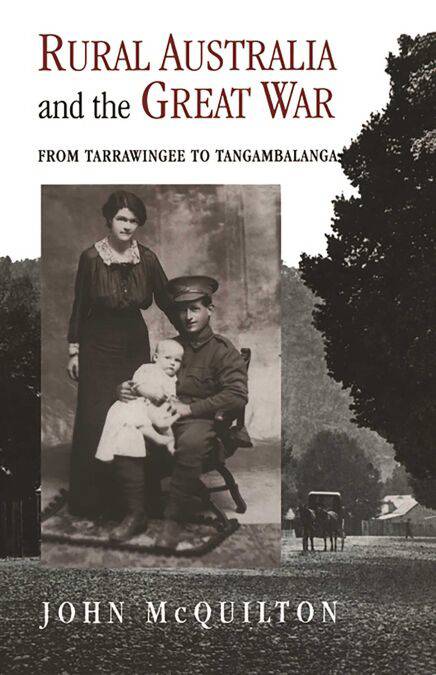
Rural Australia and the Great War E-BOOK
From Tarrawingee to Tangambalanga
John McQuilton
E-book | Engels
€ 14,53
+ 14 punten
Omschrijving
In the cities and in the countryside of Australia, the Great War of 1914 - 1918 marched to somewhat different tempos. John McQuilton evokes the wartime experience of all rural Australians by capturing the moods of the country towns and hamlets of North Eastern Victoria.
Every aspect of the war - recruiting, fund-raising and, eventually, homecoming and the design of the war memorial - was marked by a mixture of small-minded local politics, heroism and sacrifice, and grief. Individuals, whether journalists, town councillors or leading local citizens, shaped the recurring battles on the home front.
The conscription debates were particularly vicious, as the countryside exhausted its pool of volunteers long before the cities. In small communities the 'shirker' could not hide; everyone knew which families had sent men to the front, and who had genuine reasons for staying home. This intimacy worked in favour of the many German Australians: country people knew them as trusted neighbours, but in the cities they were reviled as enemy aliens.
Rural Australia and the Great War is unique among writing on the First World War in creating a richly detailed picture of wartime in a particular part of country Australia. For country and city readers alike, this is fascinating social history.
Every aspect of the war - recruiting, fund-raising and, eventually, homecoming and the design of the war memorial - was marked by a mixture of small-minded local politics, heroism and sacrifice, and grief. Individuals, whether journalists, town councillors or leading local citizens, shaped the recurring battles on the home front.
The conscription debates were particularly vicious, as the countryside exhausted its pool of volunteers long before the cities. In small communities the 'shirker' could not hide; everyone knew which families had sent men to the front, and who had genuine reasons for staying home. This intimacy worked in favour of the many German Australians: country people knew them as trusted neighbours, but in the cities they were reviled as enemy aliens.
Rural Australia and the Great War is unique among writing on the First World War in creating a richly detailed picture of wartime in a particular part of country Australia. For country and city readers alike, this is fascinating social history.
Specificaties
Betrokkenen
- Auteur(s):
- Uitgeverij:
Inhoud
- Aantal bladzijden:
- 300
- Taal:
- Engels
Eigenschappen
- Productcode (EAN):
- 9780522863468
- Verschijningsdatum:
- 8/05/2013
- Uitvoering:
- E-book
- Beveiligd met:
- Adobe DRM
- Formaat:
- ePub


Alleen bij Standaard Boekhandel
+ 14 punten op je klantenkaart van Standaard Boekhandel
SOLDEN


Beoordelingen
We publiceren alleen reviews die voldoen aan de voorwaarden voor reviews. Bekijk onze voorwaarden voor reviews.