


- Afhalen na 1 uur in een winkel met voorraad
- Gratis thuislevering in België vanaf € 30
- Ruim aanbod met 7 miljoen producten
- Afhalen na 1 uur in een winkel met voorraad
- Gratis thuislevering in België vanaf € 30
- Ruim aanbod met 7 miljoen producten





€ 33,95
+ 67 punten
Omschrijving
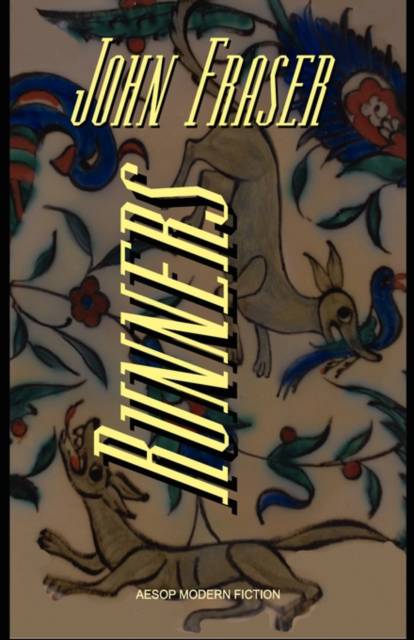
In Runners John Fraser delivers, in his unique, distinct voice, the story of a kind of redemption - even a kind of utopia - or as much of a utopia as we can possibly expect, given what we know about most of our political leaders ... An unelected leader buys the office of deputy mayor. Although this 'boss' is a monster, he also has a rare, enlightened side. Where other leaders cling to power, he runs - but instead of running for office, he runs from office; he and his friends become the Runners - the running dogs. Runners is a contemporary remake of Machiavelli's Prince with a nod to Gramsci's 'Modern Prince', the revolutionary party. It is a tale of complicity between leaders, the nature of political friendships and loyalties, the contradictions between leaders and electors, between democratic rhetoric and practice, the leadership and the base - the urban and feathered - the volatility, adaptability and motivations of leaders, and of the pursuit of justice in the personal, incongruous instance; the machismo of political culture. 'In Fraser's fiction the reader rides as on a switchback or luge of impetuous attention, with effects flashing by at virtuoso speeds. The characters seem to be unwitting agents of chaos, however much wise reflection Fraser bestows upon them; they move with shrugging self-assurance through circumstances as richly detailed and as without reliable compass-points as a Chinese scroll.' (John Fuller)
Specificaties
Betrokkenen
- Auteur(s):
- Uitgeverij:
Inhoud
- Aantal bladzijden:
- 210
- Taal:
- Engels
Eigenschappen
- Productcode (EAN):
- 9780956140968
- Verschijningsdatum:
- 1/06/2010
- Uitvoering:
- Hardcover
- Formaat:
- Genaaid
- Afmetingen:
- 140 mm x 216 mm
- Gewicht:
- 403 g


Alleen bij Standaard Boekhandel
+ 67 punten op je klantenkaart van Standaard Boekhandel
Cadeau

AANGERADEN


Beoordelingen
We publiceren alleen reviews die voldoen aan de voorwaarden voor reviews. Bekijk onze voorwaarden voor reviews.