


- Afhalen na 1 uur in een winkel met voorraad
- Gratis thuislevering in België vanaf € 30
- Ruim aanbod met 7 miljoen producten
- Afhalen na 1 uur in een winkel met voorraad
- Gratis thuislevering in België vanaf € 30
- Ruim aanbod met 7 miljoen producten





€ 41,95
+ 83 punten
Uitvoering
Omschrijving
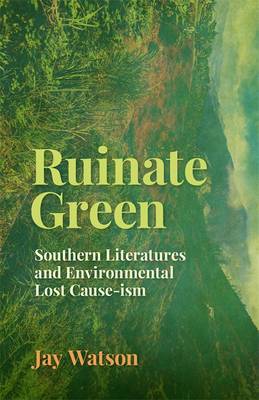
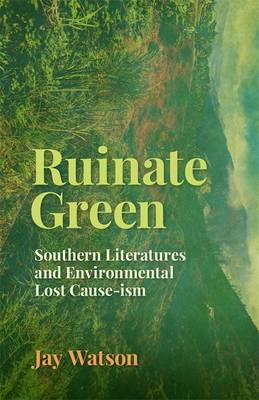
The Lost Cause legend has been a stumbling block for artists and progressives in the U.S. South for more than a century and half, but lost causes of an ecological cast have also been a major problem for American environmentalists, whose nostalgia for "wild" landscapes untouched by modernity leaves many inattentive to the affordances and needs of the changing, compromised environments we currently inhabit. As such, the literature of the South, long attuned to the emotional and ideological dead ends of lost cause-ism, might have something to say to the melancholic accents and preservationist fixations of American environmentalism and might help point it in more just and reparative directions. Ruinate Green takes up a multicultural cast of contemporary Southern writers and filmmakers--along with one formidable twentieth-century precursor--harvesting their work for tools, techniques, and insights to counter the debilitating influence of regional and environmental lost causes. Ranging across the hunting narratives of William Faulkner and Linda Hogan; speculative fables by Cormac McCarthy, Michael Farris Smith, Omar El Akkad, Holly Goddard Jones, and Barbara Kingsolver; young adult fiction by Sherri L. Smith; the "weird" fiction of Jeff VanderMeer; the garden writings of Jamaica Kincaid; and Caribbean novels by Michelle Cliff and Monique Roffey, Ruinate Green finds in the Southern oikos a site and source of environmental critique, resilience, and futurity--a cause worth fighting for.
Specificaties
Betrokkenen
- Auteur(s):
- Uitgeverij:
Inhoud
- Aantal bladzijden:
- 256
- Taal:
- Engels
- Reeks:
Eigenschappen
- Productcode (EAN):
- 9780820377940
- Verschijningsdatum:
- 1/02/2027
- Uitvoering:
- Paperback
- Formaat:
- Trade paperback (VS)
- Afmetingen:
- 140 mm x 216 mm


Alleen bij Standaard Boekhandel
+ 83 punten op je klantenkaart van Standaard Boekhandel
Cadeau

AANGERADEN


Beoordelingen
We publiceren alleen reviews die voldoen aan de voorwaarden voor reviews. Bekijk onze voorwaarden voor reviews.