


- Afhalen na 1 uur in een winkel met voorraad
- Gratis thuislevering in België vanaf € 30
- Ruim aanbod met 7 miljoen producten
- Afhalen na 1 uur in een winkel met voorraad
- Gratis thuislevering in België vanaf € 30
- Ruim aanbod met 7 miljoen producten





€ 50,95
+ 101 punten
Omschrijving
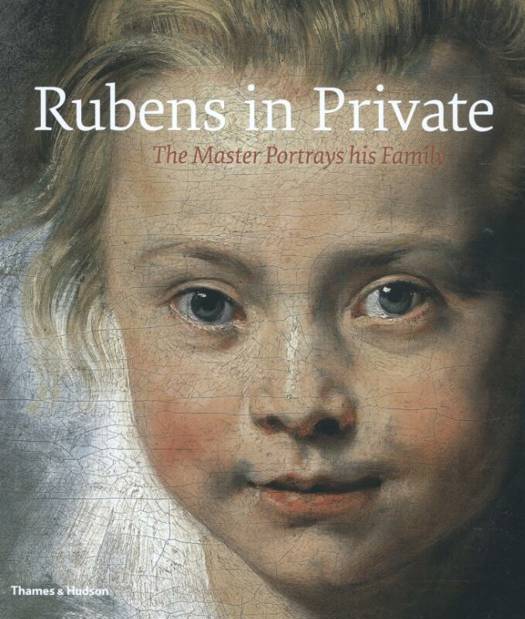
Michelangelo regarded portraiture as a trivial genre, and Peter Paul Rubens did not instantly develop a preference for it either. Yet Rubens succeeded, as none other, in endowing his portraits with an almost palpable sense of immediacy, and was to become one of the greatest portraitists of all time. His most beautiful and surprising portraits are those of his immediate family. These intimate pictures were not intended for public display and are therefore considerably freer and more experimental than the likenesses he painted of influential patrons. Nothing about these private images seems idealized. They are uncommonly honest and veracious and at the same time expressive of great tenderness. While the hundreds of letters he wrote reveal very little about his emotional life, Rubens's portraits of family members testify in a special way to the affection he felt for his first and second wives, his brother and his children.
Specificaties
Betrokkenen
- Auteur(s):
- Uitgeverij:
Inhoud
- Aantal bladzijden:
- 272
- Taal:
- Engels
Eigenschappen
- Productcode (EAN):
- 9780500093962
- Verschijningsdatum:
- 30/06/2015
- Uitvoering:
- Hardcover
- Afmetingen:
- 245 mm x 290 mm
- Gewicht:
- 1850 g


Alleen bij Standaard Boekhandel
+ 101 punten op je klantenkaart van Standaard Boekhandel
Cadeau

AANGERADEN


Beoordelingen
We publiceren alleen reviews die voldoen aan de voorwaarden voor reviews. Bekijk onze voorwaarden voor reviews.