


- Afhalen na 1 uur in een winkel met voorraad
- Gratis thuislevering in België vanaf € 30
- Ruim aanbod met 7 miljoen producten
- Afhalen na 1 uur in een winkel met voorraad
- Gratis thuislevering in België vanaf € 30
- Ruim aanbod met 7 miljoen producten





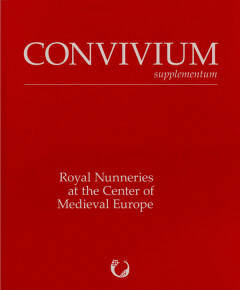
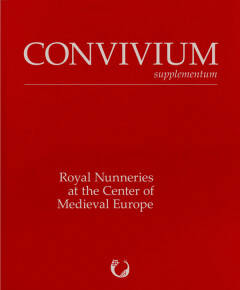
Royal Nunneries at the Center of Medieval Europe
Art, Architecture, Aesthetics (13th–14th Centuries)
Klára Benešovská
€ 79,50
+ 159 punten
Omschrijving
The contributions of this special issue - proceedings of the conference on royal nunneries that took place in Prague in July 2020 - focus on the monasteries connected to the ruling houses, which were endowed with special privileges and enriched by royal and aristocratic donations, often serving as instrumenta regni. They are introduced as active cultural hubs, stages for royal and courtly promotion, and places of personal and dynastic self-representation. This includes female monasteries, the agency of female elites in medieval society and their role as patrons and addressees of works of art.
Specificaties
Betrokkenen
- Auteur(s):
- Uitgeverij:
Inhoud
- Aantal bladzijden:
- 165
- Taal:
- Engels
- Reeks:
- Reeksnummer:
- nr. 9
Eigenschappen
- Productcode (EAN):
- 9788028000233
- Verschijningsdatum:
- 1/09/2022
- Uitvoering:
- Paperback
- Formaat:
- Trade paperback (VS)
- Afmetingen:
- 209 mm x 269 mm
- Gewicht:
- 570 g


Alleen bij Standaard Boekhandel
+ 159 punten op je klantenkaart van Standaard Boekhandel
CADEAU

AANGERADEN


Beoordelingen
We publiceren alleen reviews die voldoen aan de voorwaarden voor reviews. Bekijk onze voorwaarden voor reviews.