


- Afhalen na 1 uur in een winkel met voorraad
- Gratis thuislevering in België vanaf € 30
- Ruim aanbod met 7 miljoen producten
- Afhalen na 1 uur in een winkel met voorraad
- Gratis thuislevering in België vanaf € 30
- Ruim aanbod met 7 miljoen producten





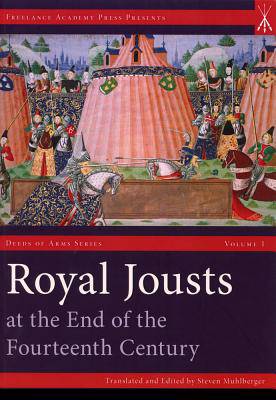
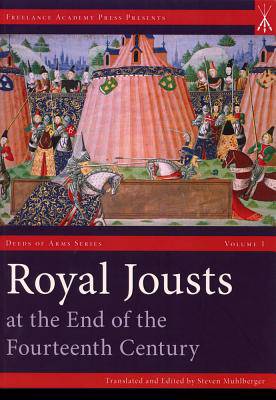
Royal Jousts at the End of the Fourteenth Century
Steven Muhlberger
€ 33,45
+ 66 punten
Eenvoudig bestellen
Veilig betalen


Gratis thuislevering vanaf € 30 (via bpost)
Gratis levering in je Standaard Boekhandel
Omschrijving
Few images of chivalry are stronger in the popular mind than that of two armoured knights in a joust, crashing together astride their chargers. Yet, considering the importance of formal combat to the medieval aristocracy, we possess surprisingly few detailed accounts of tournaments, jousts or duels. As the great sporting event of its day, fans of feats of arms enjoyed hearing about them, but extensive descriptions of the actual events involving contemporary warriors were not what they were looking for. Sometimes, however, there was an upswing of interest that inspired poets and chroniclers to write more detailed descriptions of both combats and accompanying celebrations. One particularly rich time for source material are the years 1389-90, when diplomatic competition between Charles VI of France and Richard II of England inspired the kings to sponsor some of the most spectacular formal combats of the entire Middle Ages. These feats of arms attracted a great deal of attention from contemporary writers and they were not soon forgotten. As a result, we have valuable descriptions of how jousting was performed and appreciated at the highest social levels in the two great rival kingdoms of the West. Bringing together some of the most important accounts of medieval jousting, especially those of the jousts at St. Inglevert, Royal Jousts is a direct look at the sources that have influenced our modern notion, and every modern reconstruction, of late medieval jousting. It is also the first entry in our new Deeds of Arms series a series of short, color-illustrated readers that make primary source accounts of famous displays of martial and chivalric prowess of the High and Late Middle Ages and early Renaissance accessible to a broad audience.
Specificaties
Betrokkenen
- Auteur(s):
- Uitgeverij:
Inhoud
- Aantal bladzijden:
- 100
- Taal:
- Engels
- Reeks:
- Reeksnummer:
- nr. 1
Eigenschappen
- Productcode (EAN):
- 9781937439019
- Verschijningsdatum:
- 30/05/2012
- Uitvoering:
- Paperback
- Formaat:
- Trade paperback (VS)
- Afmetingen:
- 178 mm x 254 mm
- Gewicht:
- 230 g


Alleen bij Standaard Boekhandel
+ 66 punten op je klantenkaart van Standaard Boekhandel
CADEAU

AANGERADEN


Beoordelingen
We publiceren alleen reviews die voldoen aan de voorwaarden voor reviews. Bekijk onze voorwaarden voor reviews.