


- Afhalen na 1 uur in een winkel met voorraad
- Gratis thuislevering in België vanaf € 30
- Ruim aanbod met 7 miljoen producten
- Afhalen na 1 uur in een winkel met voorraad
- Gratis thuislevering in België vanaf € 30
- Ruim aanbod met 7 miljoen producten





€ 30,95
+ 61 punten
Omschrijving
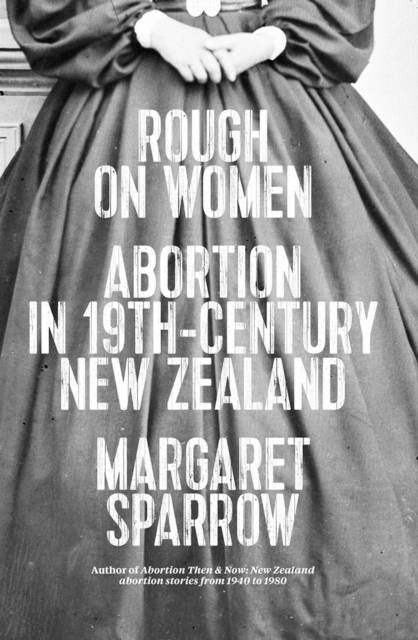
The women in Rough on Women are all long gone and little is known of their inner lives. Most of what we know about them comes from coroners' reports and newspaper accounts, and in many cases we know more about their abortionists than the women themselves. Of course, in the 19th century, those who survived abortions and did not suffer complications were unlikely to talk publicly about it, so we see here mostly the tragic cases, but the conditions facing desperate pregnant women back then are still brutal and shocking. Women obtained abortions by whatever means they could, despite the dangers of poisoning, hemorrhage, and infection. Abortionists did their work despite the threat of long prison sentences or even the death penalty. Rough on Women shows the lengths to which women will go to avoid bearing an unwanted child, and how far New Zealand has come in the battle for women to control their own fertility.
Specificaties
Betrokkenen
- Auteur(s):
- Uitgeverij:
Inhoud
- Aantal bladzijden:
- 195
- Taal:
- Engels
Eigenschappen
- Productcode (EAN):
- 9780864739360
- Verschijningsdatum:
- 1/11/2015
- Uitvoering:
- Paperback
- Formaat:
- Trade paperback (VS)
- Afmetingen:
- 150 mm x 231 mm
- Gewicht:
- 385 g


Alleen bij Standaard Boekhandel
+ 61 punten op je klantenkaart van Standaard Boekhandel

Beoordelingen
We publiceren alleen reviews die voldoen aan de voorwaarden voor reviews. Bekijk onze voorwaarden voor reviews.