


- Afhalen na 1 uur in een winkel met voorraad
- Gratis thuislevering in België vanaf € 30
- Ruim aanbod met 7 miljoen producten
- Afhalen na 1 uur in een winkel met voorraad
- Gratis thuislevering in België vanaf € 30
- Ruim aanbod met 7 miljoen producten





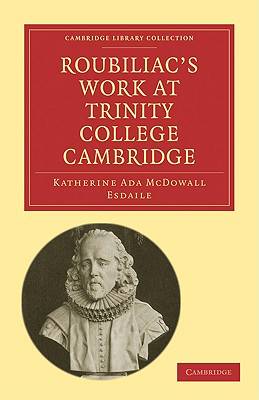
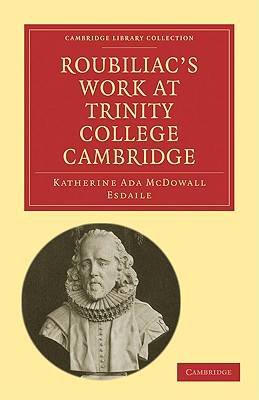
Roubiliac's Work at Trinity College Cambridge
Katherine Ada McDowall Esdaile
€ 20,95
+ 41 punten
Omschrijving
First published in 1924, Katherine A. Esdaile's study of Roubiliac (1702-1762) provides a fascinating insight into the work of this great late-baroque sculptor, who was born in France but spent most of his working life in England. The Introduction outlines the history behind the world-renowned collection at Trinity College, Cambridge, describing Roubiliac's distinctive 'vivid and intense' style. Esdaile tells of the sculptor's passion for perfection and his habit of sacrificing sleep for art. Twenty illustrations of Roubiliac's work are reproduced - including the busts of Isaac Newton, Francis Bacon and Francis Willoughby - and each is accompanied by detailed notes on the provenance of the work and special points of note. Enlightening and informative, this short book still fulfils the author's aim for the reader to find 'a new source of artistic pleasure, a new interest in the glories of Cambridge'.
Specificaties
Betrokkenen
- Auteur(s):
- Uitgeverij:
Inhoud
- Aantal bladzijden:
- 68
- Taal:
- Engels
- Reeks:
Eigenschappen
- Productcode (EAN):
- 9781108002318
- Verschijningsdatum:
- 20/07/2009
- Uitvoering:
- Paperback
- Formaat:
- Trade paperback (VS)
- Afmetingen:
- 140 mm x 216 mm
- Gewicht:
- 95 g


Alleen bij Standaard Boekhandel
+ 41 punten op je klantenkaart van Standaard Boekhandel
Cadeau

AANGERADEN


Beoordelingen
We publiceren alleen reviews die voldoen aan de voorwaarden voor reviews. Bekijk onze voorwaarden voor reviews.