


- Afhalen na 1 uur in een winkel met voorraad
- Gratis thuislevering in België vanaf € 30
- Ruim aanbod met 7 miljoen producten
- Afhalen na 1 uur in een winkel met voorraad
- Gratis thuislevering in België vanaf € 30
- Ruim aanbod met 7 miljoen producten





€ 151,95
+ 303 punten
Uitvoering
Omschrijving
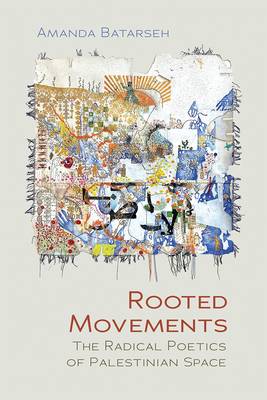
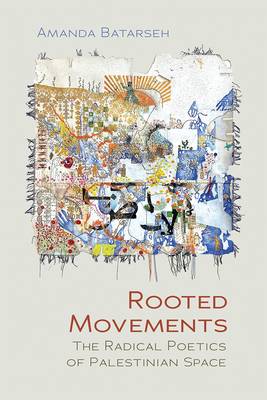
Present in the heart of modern Palestinian literature is a pervasive sense of rootedness, sustained and nurtured by a deep care for land stewardship and embedded in a spatialized history. In Rooted Movements, Amanda Batarseh examines the epistemology of Palestinian Indigeneity based in a radical relationship to place. Against a colonial logic that often centers displacement as the chief lens through which to understand Palestinian connection to place and spatialized existence, Batarseh argues that Palestinian literature poses Indigeneity as a dialectic relying as much upon rootedness as on ideas of movement.
In elaborating this tension, Batarseh develops a methodology of reading Palestinian literature that foregrounds how Palestinians negotiate space and removal through liberatory mobilization and not as a symptom of zionist, colonial violence. Reading the poetry, creative nonfiction, essays, novels, and films of writers in Palestine and in exile--from Ghassan Kanafani to Naomi Shihab Nye, Hussein Barghouthi, Raja Shehadeh, Ibtisam Azem, and Randa Jarrar--she exposes the limitations of focusing on the geopolitical borders of a modern nation-state and offers alternative imaginaries not bound by colonial spatial control. Instead, the Palestinian poetics of space Batarseh articulates engage rooted movement as an Indigenous expression of deep-seated and enduring connections to place. Palestine, this place, is not static, enclosed by military boundaries, or frozen in time before or after the Nakba, but generative and looking toward a Palestinian future.Specificaties
Betrokkenen
- Auteur(s):
- Uitgeverij:
Inhoud
- Aantal bladzijden:
- 528
- Taal:
- Engels
- Reeks:
Eigenschappen
- Productcode (EAN):
- 9780815612216
- Verschijningsdatum:
- 21/10/2026
- Uitvoering:
- Hardcover
- Formaat:
- Genaaid
- Afmetingen:
- 152 mm x 229 mm


Alleen bij Standaard Boekhandel
+ 303 punten op je klantenkaart van Standaard Boekhandel
CADEAU

AANGERADEN


Beoordelingen
We publiceren alleen reviews die voldoen aan de voorwaarden voor reviews. Bekijk onze voorwaarden voor reviews.