


- Afhalen na 1 uur in een winkel met voorraad
- Gratis thuislevering in België vanaf € 30
- Ruim aanbod met 7 miljoen producten
- Afhalen na 1 uur in een winkel met voorraad
- Gratis thuislevering in België vanaf € 30
- Ruim aanbod met 7 miljoen producten





€ 8,09
+ 8 punten
Uitvoering
Omschrijving
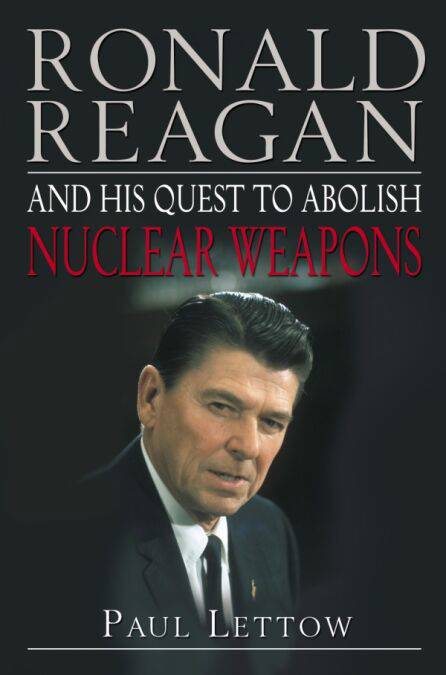
Ronald Reagan’s Strategic Defense Initiative (SDI) has puzzled scholars and commentators. Some have claimed that it was a purely political maneuver, while others have explained it as a ruse conjured up by presidential advisers to weaken Soviet resolve.
These assumptions, however, fail to acknowledge the depth of Reagan’s involvement in nuclear abolition, and how passionately committed Reagan was to the pursuit of this goal. In Ronald Reagan and His Quest to Abolish Nuclear Weapons, Paul Lettow renders untenable the persistent belief that Reagan was an ideologically shallow figurehead.
Reagan’s wish to ban nuclear armament first came to light in 1945, just months after the Hiroshima and Nagasaki bombings. While sidestepping political partisanship, Lettow demonstrates that scholars and historians have largely neglected to assess properly the influence of Reagan’s ideal and how it led to one of the most important, if the least understood, of Reagan’s accomplishments.
In a narrative that covers the start of Reagan’s presidency and the 1986 Reykjavík summit between Reagan and Soviet leader Mikhail Gorbachev, during which SDI was a defining issue, we see SDI for what it was: a full-on assault against nuclear weapons waged as much through policy as through ideology. While cabinet members and advisers–Secretary of State George Shultz and Defense Secretary Caspar Weinberger among them–played significant roles, it was Ronald Reagan, himself who presided over every element, large and small, of this paradigm shift in U.S. diplomacy.
Lettow conducted interviews with former Reagan officials–four of his six national security advisers, both of his ambassadors to the USSR, and both of his defense secretaries. He also draws upon the vast body of declassified security documents from the Reagan presidency; much of what he quotes from these documents appears publicly here for the first time.
The result is the first major work to apply such evidence to the study of SDI and superpower diplomacy. In Ronald Reagan and His Quest to Abolish Nuclear Weapons, Paul Lettow does not simply add nuance to the existing record; he revises our very understanding of the Reagan presidency.
These assumptions, however, fail to acknowledge the depth of Reagan’s involvement in nuclear abolition, and how passionately committed Reagan was to the pursuit of this goal. In Ronald Reagan and His Quest to Abolish Nuclear Weapons, Paul Lettow renders untenable the persistent belief that Reagan was an ideologically shallow figurehead.
Reagan’s wish to ban nuclear armament first came to light in 1945, just months after the Hiroshima and Nagasaki bombings. While sidestepping political partisanship, Lettow demonstrates that scholars and historians have largely neglected to assess properly the influence of Reagan’s ideal and how it led to one of the most important, if the least understood, of Reagan’s accomplishments.
In a narrative that covers the start of Reagan’s presidency and the 1986 Reykjavík summit between Reagan and Soviet leader Mikhail Gorbachev, during which SDI was a defining issue, we see SDI for what it was: a full-on assault against nuclear weapons waged as much through policy as through ideology. While cabinet members and advisers–Secretary of State George Shultz and Defense Secretary Caspar Weinberger among them–played significant roles, it was Ronald Reagan, himself who presided over every element, large and small, of this paradigm shift in U.S. diplomacy.
Lettow conducted interviews with former Reagan officials–four of his six national security advisers, both of his ambassadors to the USSR, and both of his defense secretaries. He also draws upon the vast body of declassified security documents from the Reagan presidency; much of what he quotes from these documents appears publicly here for the first time.
The result is the first major work to apply such evidence to the study of SDI and superpower diplomacy. In Ronald Reagan and His Quest to Abolish Nuclear Weapons, Paul Lettow does not simply add nuance to the existing record; he revises our very understanding of the Reagan presidency.
Specificaties
Betrokkenen
- Auteur(s):
- Uitgeverij:
Inhoud
- Aantal bladzijden:
- 352
- Taal:
- Engels
Eigenschappen
- Productcode (EAN):
- 9781588364555
- Verschijningsdatum:
- 31/01/2005
- Uitvoering:
- E-book
- Beveiligd met:
- Adobe DRM
- Formaat:
- ePub


Alleen bij Standaard Boekhandel
+ 8 punten op je klantenkaart van Standaard Boekhandel
Cadeau

AANGERADEN


Beoordelingen
We publiceren alleen reviews die voldoen aan de voorwaarden voor reviews. Bekijk onze voorwaarden voor reviews.