


- Afhalen na 1 uur in een winkel met voorraad
- Gratis thuislevering in België vanaf € 30
- Ruim aanbod met 7 miljoen producten
- Afhalen na 1 uur in een winkel met voorraad
- Gratis thuislevering in België vanaf € 30
- Ruim aanbod met 7 miljoen producten





€ 77,45
+ 154 punten
Eenvoudig bestellen
Veilig betalen


Gratis thuislevering vanaf € 30 (via bpost)
Gratis levering in je Standaard Boekhandel
Omschrijving
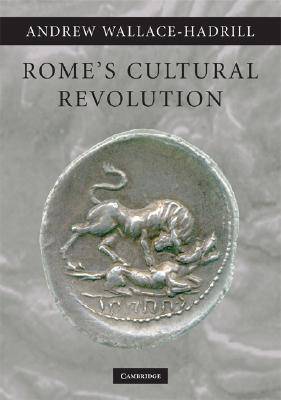
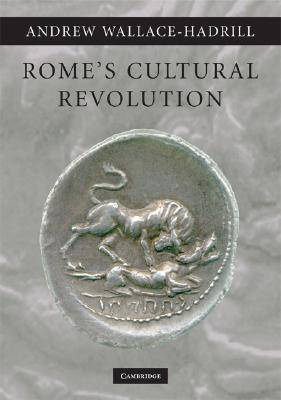
The period of Rome's imperial expansion, the late Republic and early Empire, saw transformations of its society, culture and identity. Drawing equally on archaeological and literary evidence, this book offers an original and provocative interpretation of these changes. Moving from recent debates about colonialism and cultural identity, both in the Roman world and more broadly, and challenging the traditional picture of 'Romanization' and 'Hellenization', it offers instead a model of overlapping cultural identities in dialogue with one another. It attributes a central role to cultural change in the process of redefinition of Roman identity, represented politically by the crisis of the Republican system and the establishment of the new Augustan order. Whether or not it is right to see these changes as 'revolutionary', they involve a profound transformation of Roman life and identity, one that lies at the heart of understanding the nature of the Roman Empire.
Specificaties
Betrokkenen
- Auteur(s):
- Uitgeverij:
Inhoud
- Aantal bladzijden:
- 546
- Taal:
- Engels
Eigenschappen
- Productcode (EAN):
- 9780521721608
- Verschijningsdatum:
- 6/11/2008
- Uitvoering:
- Paperback
- Formaat:
- Trade paperback (VS)
- Afmetingen:
- 175 mm x 249 mm
- Gewicht:
- 929 g


Alleen bij Standaard Boekhandel
+ 154 punten op je klantenkaart van Standaard Boekhandel
CADEAU

AANGERADEN


Beoordelingen
We publiceren alleen reviews die voldoen aan de voorwaarden voor reviews. Bekijk onze voorwaarden voor reviews.