


- Afhalen na 1 uur in een winkel met voorraad
- Gratis thuislevering in België vanaf € 30
- Ruim aanbod met 7 miljoen producten
- Afhalen na 1 uur in een winkel met voorraad
- Gratis thuislevering in België vanaf € 30
- Ruim aanbod met 7 miljoen producten





€ 16,95
+ 33 punten
Omschrijving
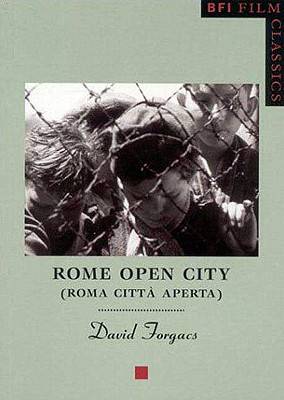
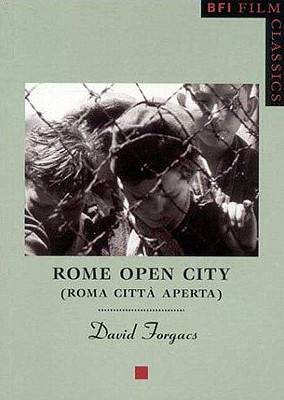
Otto Preminger said the history of the cinema was divided into two eras: one before and one after Rome Open City (Roma Città Aperta, 1945). The film is based on events that took place in Rome in 1944, during the Nazi occupation. This book re-examines the film and its place in Rossellini's career. David Forgacs reconstructs its production history, its relationship to the events that inspired it and the time in which it was made. He argues that the traditional critical labelling of Rome Open City as the original work of neo-realism fails to capture the film's hybrid and contradictory character. Part documentary record, part patriotic myth, Rome Open City is at once an extraordinarily powerful commemoration of wartime experience and a rhetorical reworking of that experience, using stereotypes and moral polarisations.
Specificaties
Betrokkenen
- Auteur(s):
- Uitgeverij:
Inhoud
- Aantal bladzijden:
- 80
- Taal:
- Engels
- Reeks:
- Reeksnummer:
- nr. 55
Eigenschappen
- Productcode (EAN):
- 9780851708041
- Verschijningsdatum:
- 27/12/2000
- Uitvoering:
- Paperback
- Formaat:
- Trade paperback (VS)
- Afmetingen:
- 135 mm x 192 mm
- Gewicht:
- 154 g


Alleen bij Standaard Boekhandel
+ 33 punten op je klantenkaart van Standaard Boekhandel
Cadeau

AANGERADEN


Beoordelingen
We publiceren alleen reviews die voldoen aan de voorwaarden voor reviews. Bekijk onze voorwaarden voor reviews.