


- Afhalen na 1 uur in een winkel met voorraad
- Gratis thuislevering in België vanaf € 30
- Ruim aanbod met 7 miljoen producten
- Afhalen na 1 uur in een winkel met voorraad
- Gratis thuislevering in België vanaf € 30
- Ruim aanbod met 7 miljoen producten





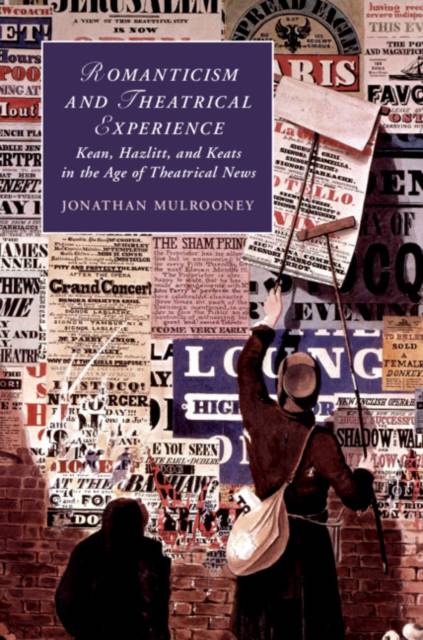
Romanticism and Theatrical Experience
Kean, Hazlitt and Keats in the Age of Theatrical News
Jonathan Mulrooney
€ 191,95
+ 383 punten
Uitvoering
Omschrijving
Bringing together studies in theater history, print culture, and literature, this book offers a new consideration of Romantic-period writing in Britain. Recovering a wide range of theatrical criticism from newspapers and periodicals, some of it overlooked since its original publication in Regency London, Jonathan Mulrooney explores new contexts for the work of the actor Edmund Kean, essayist William Hazlitt, and poet John Keats. Kean's ongoing presence as a figure in the theatrical news presented readers with a provocative re-imagining of personal subjectivity and a reworking of the British theatrical tradition. Hazlitt and Keats, in turn, imagined the essayist and the poet along similar theatrical lines, reframing Romantic prose and poetics. Taken together, these case studies illustrate not only theater's significance to early nineteenth-century Londoners, but also the importance of theater's textual legacies for our own re-assessment of 'Romanticism' as a historical and cultural phenomenon.
Specificaties
Betrokkenen
- Auteur(s):
- Uitgeverij:
Inhoud
- Aantal bladzijden:
- 292
- Taal:
- Engels
- Reeks:
- Reeksnummer:
- nr. 124
Eigenschappen
- Productcode (EAN):
- 9781107183872
- Verschijningsdatum:
- 10/01/2019
- Uitvoering:
- Hardcover
- Formaat:
- Genaaid
- Afmetingen:
- 159 mm x 235 mm
- Gewicht:
- 612 g


Alleen bij Standaard Boekhandel
+ 383 punten op je klantenkaart van Standaard Boekhandel
Cadeau

AANGERADEN


Beoordelingen
We publiceren alleen reviews die voldoen aan de voorwaarden voor reviews. Bekijk onze voorwaarden voor reviews.