


- Afhalen na 1 uur in een winkel met voorraad
- Gratis thuislevering in België vanaf € 30
- Ruim aanbod met 7 miljoen producten
- Afhalen na 1 uur in een winkel met voorraad
- Gratis thuislevering in België vanaf € 30
- Ruim aanbod met 7 miljoen producten





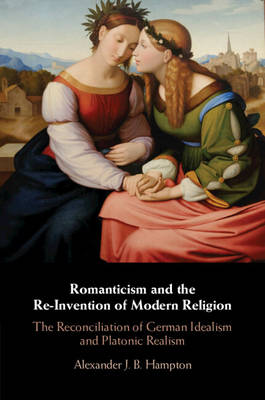
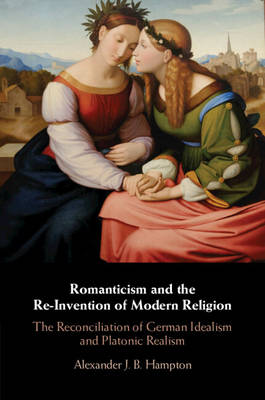
Romanticism and the Re-Invention of Modern Religion
The Reconciliation of German Idealism and Platonic Realism
Alexander J B Hampton
Paperback | Engels
€ 49,45
+ 98 punten
Omschrijving
Early German Romanticism sought to respond to a comprehensive sense of spiritual crisis that characterised the late eighteenth century. The study demonstrates how the Romantics sought to bring together the new post-Kantian idealist philosophy with the inheritance of the realist Platonic-Christian tradition. With idealism they continued to champion the individual, while from Platonism they took the notion that all reality, including the self, participated in absolute being. This insight was expressed, not in the language of theology or philosophy, but through aesthetics, which recognised the potentiality of all creation, including artistic creation, to disclose the divine. In explicating the religious vision of Romanticism, this study offers a new historical appreciation of the movement, and furthermore demonstrates its importance for our understanding of religion today.
Specificaties
Betrokkenen
- Auteur(s):
- Uitgeverij:
Inhoud
- Aantal bladzijden:
- 266
- Taal:
- Engels
Eigenschappen
- Productcode (EAN):
- 9781108452878
- Verschijningsdatum:
- 13/04/2023
- Uitvoering:
- Paperback
- Formaat:
- Trade paperback (VS)
- Afmetingen:
- 152 mm x 229 mm
- Gewicht:
- 394 g


Alleen bij Standaard Boekhandel
+ 98 punten op je klantenkaart van Standaard Boekhandel
Cadeau

AANGERADEN


Beoordelingen
We publiceren alleen reviews die voldoen aan de voorwaarden voor reviews. Bekijk onze voorwaarden voor reviews.