


- Afhalen na 1 uur in een winkel met voorraad
- Gratis thuislevering in België vanaf € 30
- Ruim aanbod met 7 miljoen producten
- Afhalen na 1 uur in een winkel met voorraad
- Gratis thuislevering in België vanaf € 30
- Ruim aanbod met 7 miljoen producten




Omschrijving
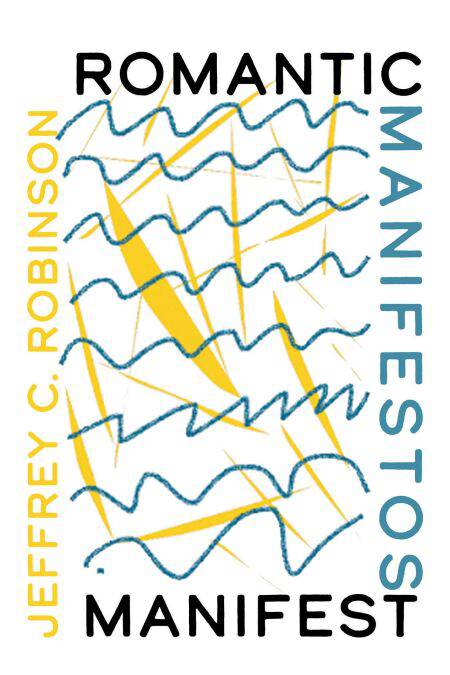
Poet and Romantics scholar Jeffrey C. Robinson eloquently argues that the principles of Romanticism are alive and well in the twenty-first century.
Romantics scholar Jeffrey C. Robinson elaborates commentaries on one hundred “manifesto statements” taken from nineteenth-century texts to illustrate that radical principles of poetry emerge in and are central to Romanticism. When these principles have been addressed at all, literary history tends to disperse and disempower them; Romantic Manifestos Manifest brings them together in order to characterize Romanticism, at its core, as a radical poetic movement that “manifests” not only in the nineteenth century but in the centuries beyond. Throughout the text, which is ordered on alphabetical entries of the manifesto statements, Robinson persuasively argues that there is a vibrant continuity between the works and ideas of the Romantics and twenty-first-century experimental artists, writers, and thinkers. Twenty pieces of text art and visual poetry relating to specific manifesto statements further curate a dialogue between text, image, and idea. Robinson takes readers on a journey that shows how avant-garde poets in particular continue to engage with principles from the Romantic era and ultimately proves that Romanticism—far from being a thing of the past—is alive and well in our time.
Romantics scholar Jeffrey C. Robinson elaborates commentaries on one hundred “manifesto statements” taken from nineteenth-century texts to illustrate that radical principles of poetry emerge in and are central to Romanticism. When these principles have been addressed at all, literary history tends to disperse and disempower them; Romantic Manifestos Manifest brings them together in order to characterize Romanticism, at its core, as a radical poetic movement that “manifests” not only in the nineteenth century but in the centuries beyond. Throughout the text, which is ordered on alphabetical entries of the manifesto statements, Robinson persuasively argues that there is a vibrant continuity between the works and ideas of the Romantics and twenty-first-century experimental artists, writers, and thinkers. Twenty pieces of text art and visual poetry relating to specific manifesto statements further curate a dialogue between text, image, and idea. Robinson takes readers on a journey that shows how avant-garde poets in particular continue to engage with principles from the Romantic era and ultimately proves that Romanticism—far from being a thing of the past—is alive and well in our time.
Specificaties
Betrokkenen
- Auteur(s):
- Uitgeverij:
Inhoud
- Aantal bladzijden:
- 184
- Taal:
- Engels
- Reeks:
Eigenschappen
- Productcode (EAN):
- 9780826370365
- Verschijningsdatum:
- 14/12/2026
- Uitvoering:
- E-book
- Beveiligd met:
- Adobe DRM
- Formaat:
- ePub


Alleen bij Standaard Boekhandel
+ 24 punten op je klantenkaart van Standaard Boekhandel
AANGERADEN


Beoordelingen
We publiceren alleen reviews die voldoen aan de voorwaarden voor reviews. Bekijk onze voorwaarden voor reviews.