


- Afhalen na 1 uur in een winkel met voorraad
- Gratis thuislevering in België vanaf € 30
- Ruim aanbod met 7 miljoen producten
- Afhalen na 1 uur in een winkel met voorraad
- Gratis thuislevering in België vanaf € 30
- Ruim aanbod met 7 miljoen producten





€ 20,00
+ 40 punten
Omschrijving
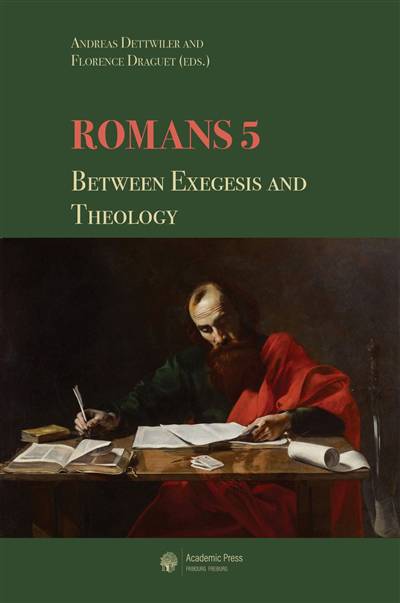
This volume delves into one of the most theologically rich passages of the New Testament Romans 5:1-11 offering fresh insights into Pauline theology. Through eight thought-provoking articles, leading scholars explore how biblical exegesis and constructive theology can engage in a dynamic dialogue that deepens our understanding of faith.
Key questions are explored throughout the collection: a detailed analysis of the philological and theological challenges of the text (R. Burnet), the diversity and unity of theological disciplines (B. Bourgine), the ethical and eschatological dimension of hope (P. V. Gomes), God's demonstration of love at the cross (L. de Brouwer), and the dynamic process of reconciliation and salvation (F. Draguet). The contributions also offer fresh perspectives on themes such as Christian boasting in Paul's theology (B. Bourgine) and the already but not yet Kingdom of God (D. A. Pérez Chamorro).
The exploration concludes with Andreas Dettwiler's methodological reflection on the importance of a fruitful dialogue between exegesis and constructive theology, addressing the hermeneutical and ethical challenges raised by Romans 5:1.
This volume is intended for students, scholars, and theologians, as well as anyone interested in contemporary issues in biblical and theological interpretation.
Key questions are explored throughout the collection: a detailed analysis of the philological and theological challenges of the text (R. Burnet), the diversity and unity of theological disciplines (B. Bourgine), the ethical and eschatological dimension of hope (P. V. Gomes), God's demonstration of love at the cross (L. de Brouwer), and the dynamic process of reconciliation and salvation (F. Draguet). The contributions also offer fresh perspectives on themes such as Christian boasting in Paul's theology (B. Bourgine) and the already but not yet Kingdom of God (D. A. Pérez Chamorro).
The exploration concludes with Andreas Dettwiler's methodological reflection on the importance of a fruitful dialogue between exegesis and constructive theology, addressing the hermeneutical and ethical challenges raised by Romans 5:1.
This volume is intended for students, scholars, and theologians, as well as anyone interested in contemporary issues in biblical and theological interpretation.
Specificaties
Betrokkenen
- Auteur(s):
- Uitgeverij:
Inhoud
- Aantal bladzijden:
- 142
- Taal:
- Engels
Eigenschappen
- Productcode (EAN):
- 9782889810598
- Verschijningsdatum:
- 15/05/2025
- Uitvoering:
- Paperback
- Afmetingen:
- 160 mm x 230 mm
- Gewicht:
- 204 g


Alleen bij Standaard Boekhandel
+ 40 punten op je klantenkaart van Standaard Boekhandel
Wedstrijd


Beoordelingen
We publiceren alleen reviews die voldoen aan de voorwaarden voor reviews. Bekijk onze voorwaarden voor reviews.