



Bedankt voor het vertrouwen het afgelopen jaar! Om jou te bedanken bieden we GRATIS verzending (in België) aan op alles gedurende de hele maand januari.
- Afhalen na 1 uur in een winkel met voorraad
- In januari gratis thuislevering in België
- Ruim aanbod met 7 miljoen producten
Bedankt voor het vertrouwen het afgelopen jaar! Om jou te bedanken bieden we GRATIS verzending (in België) aan op alles gedurende de hele maand januari.
- Afhalen na 1 uur in een winkel met voorraad
- In januari gratis thuislevering in België
- Ruim aanbod met 7 miljoen producten





€ 5,77
+ 5 punten
Omschrijving
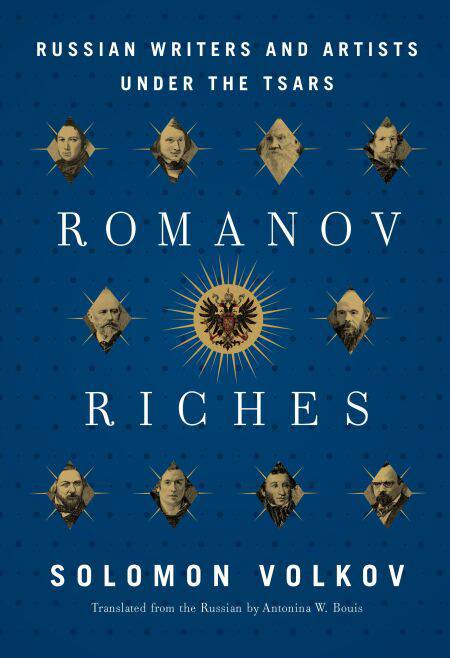
In a sweeping cultural history of Russia from the rise of the house of Romanov in 1613 to its downfall at the hands of the Bolsheviks in 1917, Solomon Volkov effortlessly unwinds the twisted relationship between art and the royal family.
Throughout the Romanov dynasty, Russia’s greatest artists and thinkers, painters and poets, composers and dancers, served two masters. Devotion to craft—or principle—could never wholly eclipse dependence on the tsars. Similarly, consumers of Russian culture could never respond without political consideration: Volkov recounts how, at the 1836 premiere of Glinka’s opera A Life for the Tsar, fashionable audiences watched Nicholas I in his private box to see how they ought to react. He wept, and they wept accordingly.
In this spellbinding story, we watch the great figures of Russian history clash. Alexei, father of Peter the Great, befriended the writer Avvakum only to banish him; the next tsar, Fedor, had Avvakum burned alive. Using her notorious charms, Catherine the Great masterfully wielded political control over her culture industry. For his part, Pushkin became the first favored artist to resist the tsar’s influence. His poem “To Liberty” is cherished as a revolutionary work of dissent. But even Pushkin’s genius went unspared: Alexander tired of the poet’s literary and amorous freethinking and banished him from St. Petersburg.
Romanov Riches is a work of epic scale that never sacrifices individual characters for broader themes. Gogol, Dostoevsky, and Tolstoy are presented in a devilishly intricate dance with their royal patrons. A truly essential work for anyone who wants to understand Russia’s passionate devotion to its most important artists, it is the prequel to Volkov’s acclaimed work The Magical Chorus: A History of Russian Culture from Tolstoy to Solzhenitsyn.
Throughout the Romanov dynasty, Russia’s greatest artists and thinkers, painters and poets, composers and dancers, served two masters. Devotion to craft—or principle—could never wholly eclipse dependence on the tsars. Similarly, consumers of Russian culture could never respond without political consideration: Volkov recounts how, at the 1836 premiere of Glinka’s opera A Life for the Tsar, fashionable audiences watched Nicholas I in his private box to see how they ought to react. He wept, and they wept accordingly.
In this spellbinding story, we watch the great figures of Russian history clash. Alexei, father of Peter the Great, befriended the writer Avvakum only to banish him; the next tsar, Fedor, had Avvakum burned alive. Using her notorious charms, Catherine the Great masterfully wielded political control over her culture industry. For his part, Pushkin became the first favored artist to resist the tsar’s influence. His poem “To Liberty” is cherished as a revolutionary work of dissent. But even Pushkin’s genius went unspared: Alexander tired of the poet’s literary and amorous freethinking and banished him from St. Petersburg.
Romanov Riches is a work of epic scale that never sacrifices individual characters for broader themes. Gogol, Dostoevsky, and Tolstoy are presented in a devilishly intricate dance with their royal patrons. A truly essential work for anyone who wants to understand Russia’s passionate devotion to its most important artists, it is the prequel to Volkov’s acclaimed work The Magical Chorus: A History of Russian Culture from Tolstoy to Solzhenitsyn.
Specificaties
Betrokkenen
- Auteur(s):
- Uitgeverij:
Inhoud
- Aantal bladzijden:
- 304
- Taal:
- Engels
Eigenschappen
- Productcode (EAN):
- 9780307595522
- Verschijningsdatum:
- 21/02/2011
- Uitvoering:
- E-book
- Beveiligd met:
- Adobe DRM
- Formaat:
- ePub


Alleen bij Standaard Boekhandel
+ 5 punten op je klantenkaart van Standaard Boekhandel
SOLDEN


Beoordelingen
We publiceren alleen reviews die voldoen aan de voorwaarden voor reviews. Bekijk onze voorwaarden voor reviews.