


- Afhalen na 1 uur in een winkel met voorraad
- Gratis thuislevering in België vanaf € 30
- Ruim aanbod met 7 miljoen producten
- Afhalen na 1 uur in een winkel met voorraad
- Gratis thuislevering in België vanaf € 30
- Ruim aanbod met 7 miljoen producten





€ 22,36
+ 22 punten
Uitvoering
Omschrijving
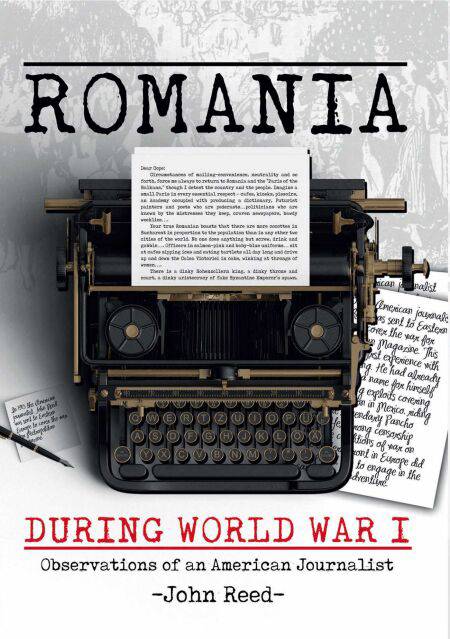
Romania during World War I faced a unique situation. Although ruled by a German king, it had strong cultural and historical ties to France and the West. The young nation also had territorial ambitions that it hoped to satisfy. As a result, the country maintained a cautious neutrality in the early years of the war before ultimately deciding to enter the conflict on the side of the Allies in 1916. One of those who witnessed this situation was the American journalist John Reed.
Internationally known for his famous account of the Bolshevik Revolution, Ten Days that Shook the World, John Reed's writings about Romania are, until now, virtually unknown. As a journalist of great talent and a witness to the situation in Romania in 1915, on the eve of its entry into the war, John Reed's accounts are insightful reading for anyone interested in this period of Romanian history or in the author himself. Edited, with an introduction by Dr. A.K. Brackob, this volume brings together these writings and reveals John Reed's unique perspective on Romania.
Internationally known for his famous account of the Bolshevik Revolution, Ten Days that Shook the World, John Reed's writings about Romania are, until now, virtually unknown. As a journalist of great talent and a witness to the situation in Romania in 1915, on the eve of its entry into the war, John Reed's accounts are insightful reading for anyone interested in this period of Romanian history or in the author himself. Edited, with an introduction by Dr. A.K. Brackob, this volume brings together these writings and reveals John Reed's unique perspective on Romania.
Specificaties
Betrokkenen
- Auteur(s):
- Uitgeverij:
Inhoud
- Aantal bladzijden:
- 84
- Taal:
- Engels
Eigenschappen
- Productcode (EAN):
- 9781592111282
- Verschijningsdatum:
- 5/04/2018
- Uitvoering:
- E-book
- Beveiligd met:
- Adobe DRM
- Formaat:
- ePub


Alleen bij Standaard Boekhandel
+ 22 punten op je klantenkaart van Standaard Boekhandel
Cadeau

AANGERADEN


Beoordelingen
We publiceren alleen reviews die voldoen aan de voorwaarden voor reviews. Bekijk onze voorwaarden voor reviews.