


- Afhalen na 1 uur in een winkel met voorraad
- Gratis thuislevering in België vanaf € 30
- Ruim aanbod met 7 miljoen producten
- Afhalen na 1 uur in een winkel met voorraad
- Gratis thuislevering in België vanaf € 30
- Ruim aanbod met 7 miljoen producten





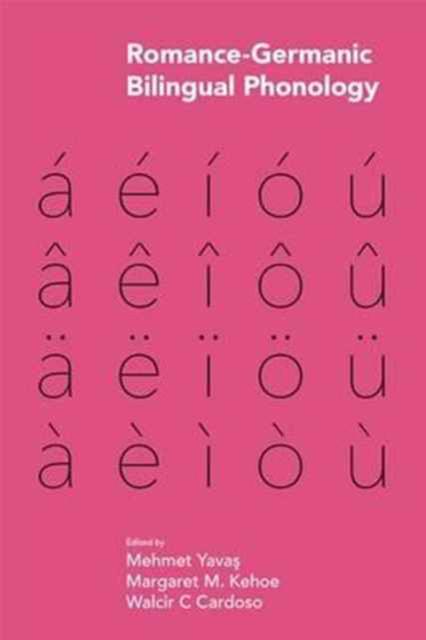
Romance-Germanic Bilingual Phonology
€ 155,45
+ 310 punten
Omschrijving
Bilingual contact in which speakers use their two languages in daily life is a very common phenomenon and within this Romance-Germanic bilingualism is one of the most widespread contacts. The chapters in this book investigate several phonetic and phonological issues that are in contrast between 4 Germanic languages (English, German, Danish, and Swedish- with more than 500 million speakers) and 4 Romance languages (Spanish, Portuguese, French, and Italian - with more than 700 million speakers). Contributions from original empirical research cover several phonotactic, segmental, and suprasegmental conflicting situations between Germanic and Romance languages. The first three chapters address cross-linguistic interaction in the development of aspects of prosody in young bilinguals. The following five chapters focus on cross-language interaction in adult bilinguals; topic investigated include the voice onset time, acquisition of laterals, and the production and perception of vowels. The next three chapters examine the representation and/or instantiation of phonological knowledge in the speech of L2 users, which are followed by two chapters that are concerned with linguistic and extralinguistic factors that influence L2 learning. The volume concludes with a look into sociophonetics of voice onset time, intonation and labial fricatives in Spanish-English bilinguals.
Specificaties
Betrokkenen
- Uitgeverij:
Inhoud
- Aantal bladzijden:
- 288
- Taal:
- Engels
- Reeks:
Eigenschappen
- Productcode (EAN):
- 9781781792827
- Verschijningsdatum:
- 1/03/2017
- Uitvoering:
- Hardcover
- Formaat:
- Genaaid
- Afmetingen:
- 160 mm x 236 mm
- Gewicht:
- 589 g


Alleen bij Standaard Boekhandel
+ 310 punten op je klantenkaart van Standaard Boekhandel
Cadeau

AANGERADEN


Beoordelingen
We publiceren alleen reviews die voldoen aan de voorwaarden voor reviews. Bekijk onze voorwaarden voor reviews.