


- Afhalen na 1 uur in een winkel met voorraad
- Gratis thuislevering in België vanaf € 30
- Ruim aanbod met 7 miljoen producten
- Afhalen na 1 uur in een winkel met voorraad
- Gratis thuislevering in België vanaf € 30
- Ruim aanbod met 7 miljoen producten





Omschrijving
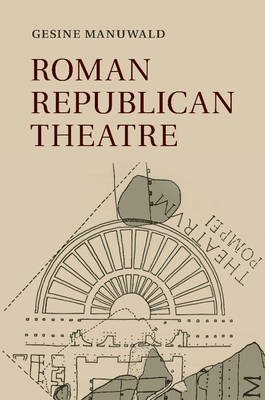
Theatre flourished in the Roman Republic, from the tragedies of Ennius and Pacuvius to the comedies of Plautus and Terence and the mimes of Laberius. Yet apart from the surviving plays of Plautus and Terence the sources are fragmentary and difficult to interpret and contextualise. This book provides an up-to-date and comprehensive history of all aspects of the topic, incorporating recent findings and modern approaches. It discusses the origins of Roman drama and the historical, social and institutional backgrounds of all the dramatic genres to be found during the Republic (tragedy, praetexta, comedy, togata, Atellana, mime and pantomime). Possible general characteristics are identified, and attention is paid to the nature of and developments in the various genres. The clear structure and full bibliography also ensure that the book has value as a source of reference for all upper-level students and scholars of Latin literature and ancient drama.
Specificaties
Betrokkenen
- Auteur(s):
- Uitgeverij:
Inhoud
- Aantal bladzijden:
- 404
- Taal:
- Engels
Eigenschappen
- Productcode (EAN):
- 9781107696099
- Verschijningsdatum:
- 26/03/2015
- Uitvoering:
- Paperback
- Formaat:
- Trade paperback (VS)
- Afmetingen:
- 152 mm x 229 mm
- Gewicht:
- 539 g


Alleen bij Standaard Boekhandel
+ 152 punten op je klantenkaart van Standaard Boekhandel
Cadeau

AANGERADEN


Beoordelingen
We publiceren alleen reviews die voldoen aan de voorwaarden voor reviews. Bekijk onze voorwaarden voor reviews.