


- Afhalen na 1 uur in een winkel met voorraad
- Gratis thuislevering in België vanaf € 30
- Ruim aanbod met 7 miljoen producten
- Afhalen na 1 uur in een winkel met voorraad
- Gratis thuislevering in België vanaf € 30
- Ruim aanbod met 7 miljoen producten





€ 26,95
+ 53 punten
Omschrijving
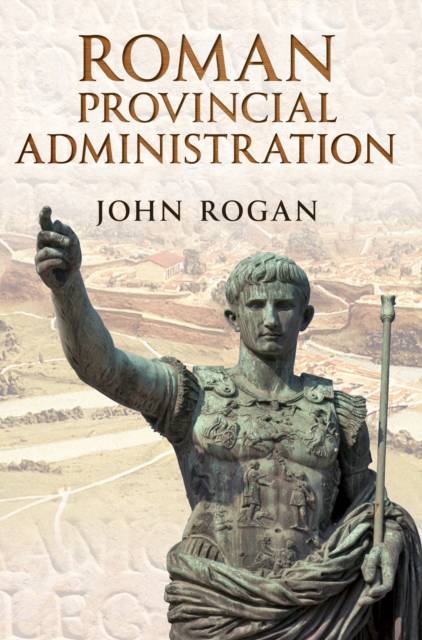
In his Aeneid, Virgil urges the Romans not to forget that government is their strength and to accustom men to peace. But when the Roman Empire at its height stretched from the British Isles to the deserts of Egypt, and embraced a huge number of different peoples and cultures, how did they achieve this so successfully? In Roman Provincial Administration, John Rogan answers this question, examining the roles played by the army, client kings, and local and central government. Taking a wide selection of sources, ranging from Tacitus' account of his father-in-law's time as governor of Britain to the New Testament's account of Roman rule in the Middle East, the author applies his knowledge of organisational theory to how the Romans ruled their empire, spreading their ideas and fulfilling what Virgil told them was their destiny.
Specificaties
Betrokkenen
- Auteur(s):
- Uitgeverij:
Inhoud
- Aantal bladzijden:
- 128
- Taal:
- Engels
Eigenschappen
- Productcode (EAN):
- 9781445601793
- Verschijningsdatum:
- 15/03/2011
- Uitvoering:
- Paperback
- Formaat:
- Trade paperback (VS)
- Afmetingen:
- 155 mm x 231 mm
- Gewicht:
- 294 g


Alleen bij Standaard Boekhandel
+ 53 punten op je klantenkaart van Standaard Boekhandel
Cadeau

AANGERADEN


Beoordelingen
We publiceren alleen reviews die voldoen aan de voorwaarden voor reviews. Bekijk onze voorwaarden voor reviews.