


- Afhalen na 1 uur in een winkel met voorraad
- Gratis thuislevering in België vanaf € 30
- Ruim aanbod met 7 miljoen producten
- Afhalen na 1 uur in een winkel met voorraad
- Gratis thuislevering in België vanaf € 30
- Ruim aanbod met 7 miljoen producten





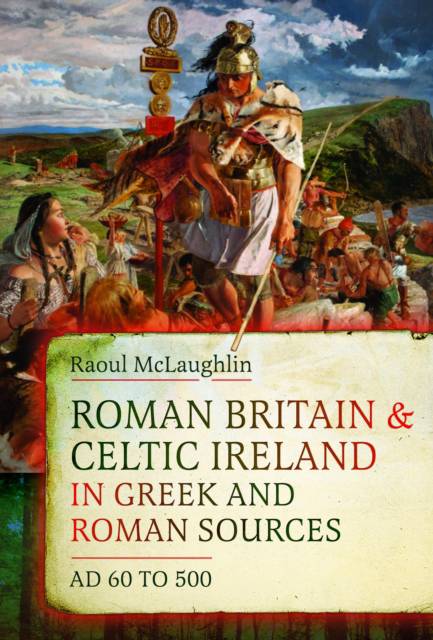
Roman Britain and Celtic Ireland in Greek and Roman Sources (AD 60-500)
Raoul McLaughlin
Hardcover | Engels
€ 34,95
+ 69 punten
Omschrijving
Ancient sources reveal the Atlantic Celts' contact and conflict with Rome, signaling enduring tensions at Britannia's frontiers and shaping northern Europe's military and political landscape.
Dr Raoul McLaughlin presents ancient sources for the Atlantic Celts, providing new, annotated translations of Roman texts. These describe contact and conflict between Rome and the Celtic peoples of Britain and Ireland. This book is a valuable resource for anyone interested in the Celtic peoples of northern Europe, or the military and economic development of the Roman frontiers.
Roman forces conquered southern Britain in AD 43, establishing a seaboard province facing Gaul and the militarised Rhine frontier. But external threats and mass revolts revealed how easily this condensed province could be eradicated by warfare. Further expansion followed, but the Roman Empire struggled to locate and establish secure northern and western limits to Britannia. Despite large-scale military and political efforts, the Romans never conquered or fully subjugated the Celtic territories on the Atlantic edge of Europe
This book contains ancient sources ranging from AD 60 and the Boudiccan Revolt, to the disintegration of imperial rule in the AD 400s. Chapters cover ancient Ireland, the Flavian expansion of Roman Britain, the planned Irish conquest and the first Caledonian campaign (AD 77-83). Further ancient evidence reveals the withdrawal and consolidation of imperial frontiers behind barriers such as Hadrian's Wall, while later texts outline the threat posed by the Picts and ancient Irish. The final chapters cover the Germanic migrations that led to the collapse of Roman Britain and the ethnogenesis of the Anglo-Saxons.
Dr Raoul McLaughlin presents ancient sources for the Atlantic Celts, providing new, annotated translations of Roman texts. These describe contact and conflict between Rome and the Celtic peoples of Britain and Ireland. This book is a valuable resource for anyone interested in the Celtic peoples of northern Europe, or the military and economic development of the Roman frontiers.
Roman forces conquered southern Britain in AD 43, establishing a seaboard province facing Gaul and the militarised Rhine frontier. But external threats and mass revolts revealed how easily this condensed province could be eradicated by warfare. Further expansion followed, but the Roman Empire struggled to locate and establish secure northern and western limits to Britannia. Despite large-scale military and political efforts, the Romans never conquered or fully subjugated the Celtic territories on the Atlantic edge of Europe
This book contains ancient sources ranging from AD 60 and the Boudiccan Revolt, to the disintegration of imperial rule in the AD 400s. Chapters cover ancient Ireland, the Flavian expansion of Roman Britain, the planned Irish conquest and the first Caledonian campaign (AD 77-83). Further ancient evidence reveals the withdrawal and consolidation of imperial frontiers behind barriers such as Hadrian's Wall, while later texts outline the threat posed by the Picts and ancient Irish. The final chapters cover the Germanic migrations that led to the collapse of Roman Britain and the ethnogenesis of the Anglo-Saxons.
Specificaties
Betrokkenen
- Auteur(s):
- Uitgeverij:
Inhoud
- Aantal bladzijden:
- 200
- Taal:
- Engels
Eigenschappen
- Productcode (EAN):
- 9781036142049
- Verschijningsdatum:
- 30/06/2026
- Uitvoering:
- Hardcover
- Formaat:
- Genaaid
- Afmetingen:
- 159 mm x 235 mm
- Gewicht:
- 536 g


Alleen bij Standaard Boekhandel
+ 69 punten op je klantenkaart van Standaard Boekhandel
Cadeau

AANGERADEN


Beoordelingen
We publiceren alleen reviews die voldoen aan de voorwaarden voor reviews. Bekijk onze voorwaarden voor reviews.