


- Afhalen na 1 uur in een winkel met voorraad
- Gratis thuislevering in België vanaf € 30
- Ruim aanbod met 7 miljoen producten
- Afhalen na 1 uur in een winkel met voorraad
- Gratis thuislevering in België vanaf € 30
- Ruim aanbod met 7 miljoen producten





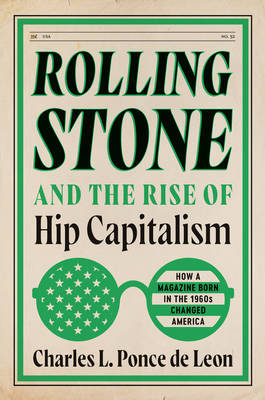
Rolling Stone and the Rise of Hip Capitalism
How a Magazine Born in the 1960s Changed America
Charles L Ponce de Leon
Hardcover | Engels
€ 41,95
+ 83 punten
Omschrijving
In its early years, Rolling Stone stood out on the magazine rack: an iconoclastic bimonthly aimed at young Americans, dedicated to music, culture, and politics. Magazine cofounder Jann Wenner's vision of a magazine that blended politics with sophisticated coverage of rock music and related social and cultural trends was groundbreaking and a surprising commercial success, turning the brash young publisher into the era's quintessential "hip capitalist."
This is a history of Rolling Stone's heyday, from its founding in 1967 to its twentieth anniversary, examining its coverage of notable social, cultural, and political developments and the contributions of its distinguished and often brilliant writers--from Greil Marcus and Hunter S. Thompson to William Greider and P. J. O'Rourke. It also reveals how, in response to shifts in its audience, the magazine industry, and the broader culture, Rolling Stone gradually changed, becoming more successful but also less innovative and influential. In the magazine's prime, however, Wenner and company showed how a thoughtful, irreverent magazine could attract advertisers as well as readers and spread sixties-inspired values into the mainstream.
This is a history of Rolling Stone's heyday, from its founding in 1967 to its twentieth anniversary, examining its coverage of notable social, cultural, and political developments and the contributions of its distinguished and often brilliant writers--from Greil Marcus and Hunter S. Thompson to William Greider and P. J. O'Rourke. It also reveals how, in response to shifts in its audience, the magazine industry, and the broader culture, Rolling Stone gradually changed, becoming more successful but also less innovative and influential. In the magazine's prime, however, Wenner and company showed how a thoughtful, irreverent magazine could attract advertisers as well as readers and spread sixties-inspired values into the mainstream.
Specificaties
Betrokkenen
- Auteur(s):
- Uitgeverij:
Inhoud
- Aantal bladzijden:
- 304
- Taal:
- Engels
Eigenschappen
- Productcode (EAN):
- 9781469694399
- Verschijningsdatum:
- 28/04/2026
- Uitvoering:
- Hardcover
- Formaat:
- Genaaid
- Afmetingen:
- 165 mm x 238 mm
- Gewicht:
- 594 g


Alleen bij Standaard Boekhandel
+ 83 punten op je klantenkaart van Standaard Boekhandel
Cadeau

AANGERADEN


Beoordelingen
We publiceren alleen reviews die voldoen aan de voorwaarden voor reviews. Bekijk onze voorwaarden voor reviews.