


- Afhalen na 1 uur in een winkel met voorraad
- Gratis thuislevering in België vanaf € 30
- Ruim aanbod met 7 miljoen producten
- Afhalen na 1 uur in een winkel met voorraad
- Gratis thuislevering in België vanaf € 30
- Ruim aanbod met 7 miljoen producten




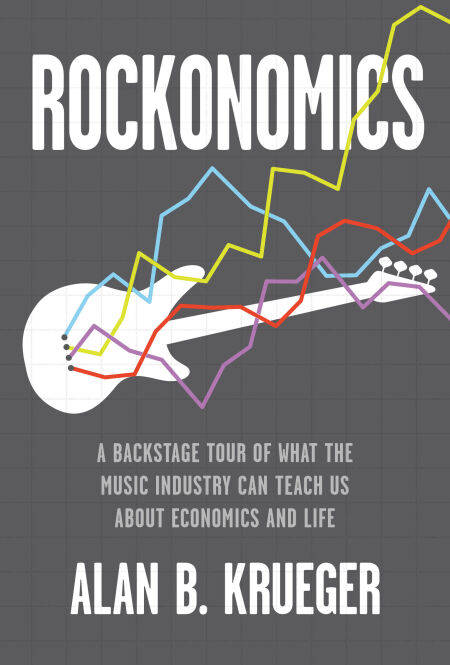
Rockonomics E-BOOK
A Backstage Tour of What the Music Industry Can Teach Us about Economics and Life
Alan B. Krueger
E-book | Engels
€ 9,21
+ 9 punten
Uitvoering
Omschrijving
Alan Krueger, a former chairman of the president's Council of Economic Advisers, uses the music industry, from superstar artists to music executives, from managers to promoters, as a way in to explain key principles of economics, and the forces shaping our economic lives.
The music industry is a leading indicator of today's economy; it is among the first to be disrupted by the latest wave of technology, and examining the ins and outs of how musicians create and sell new songs and plan concert tours offers valuable lessons for what is in store for businesses and employees in other industries that are struggling to adapt.
Drawing on interviews with leading band members, music executives, managers, promoters, and using the latest data on revenues, royalties, streaming tour dates, and merchandise sales, Rockonomics takes readers backstage to show how the music industry really works--who makes money and how much, and how the economics of the music industry has undergone a radical transformation during recent decades.
Before digitalization and the ability to stream music over the Internet, rock stars made much of their income from record sales. Today, income from selling songs has plummeted, even for superstars like James Taylor and Taylor Swift. The real money nowadays is derived from concert sales. In 2017, for example, Billy Joel earned $27.4 million from his live performances, and less than $2 million from record sales and streaming. Even Paul McCartney, who has written and recorded more number one songs than anyone in music history, today, earns 80 percent of his income from live concerts. Krueger tackles commonly asked questions: How does a song become popular? And how does a new artist break out in today's winner-take-all economy? How can musicians and everyday workers earn a living in the digital economy?
The music industry is a leading indicator of today's economy; it is among the first to be disrupted by the latest wave of technology, and examining the ins and outs of how musicians create and sell new songs and plan concert tours offers valuable lessons for what is in store for businesses and employees in other industries that are struggling to adapt.
Drawing on interviews with leading band members, music executives, managers, promoters, and using the latest data on revenues, royalties, streaming tour dates, and merchandise sales, Rockonomics takes readers backstage to show how the music industry really works--who makes money and how much, and how the economics of the music industry has undergone a radical transformation during recent decades.
Before digitalization and the ability to stream music over the Internet, rock stars made much of their income from record sales. Today, income from selling songs has plummeted, even for superstars like James Taylor and Taylor Swift. The real money nowadays is derived from concert sales. In 2017, for example, Billy Joel earned $27.4 million from his live performances, and less than $2 million from record sales and streaming. Even Paul McCartney, who has written and recorded more number one songs than anyone in music history, today, earns 80 percent of his income from live concerts. Krueger tackles commonly asked questions: How does a song become popular? And how does a new artist break out in today's winner-take-all economy? How can musicians and everyday workers earn a living in the digital economy?
Specificaties
Betrokkenen
- Auteur(s):
- Uitgeverij:
Inhoud
- Aantal bladzijden:
- 336
- Taal:
- Engels
Eigenschappen
- Productcode (EAN):
- 9781524763725
- Verschijningsdatum:
- 3/06/2019
- Uitvoering:
- E-book
- Beveiligd met:
- Adobe DRM
- Formaat:
- ePub


Alleen bij Standaard Boekhandel
+ 9 punten op je klantenkaart van Standaard Boekhandel
AANGERADEN


Beoordelingen
We publiceren alleen reviews die voldoen aan de voorwaarden voor reviews. Bekijk onze voorwaarden voor reviews.